June 3, 2024
One for the History Books
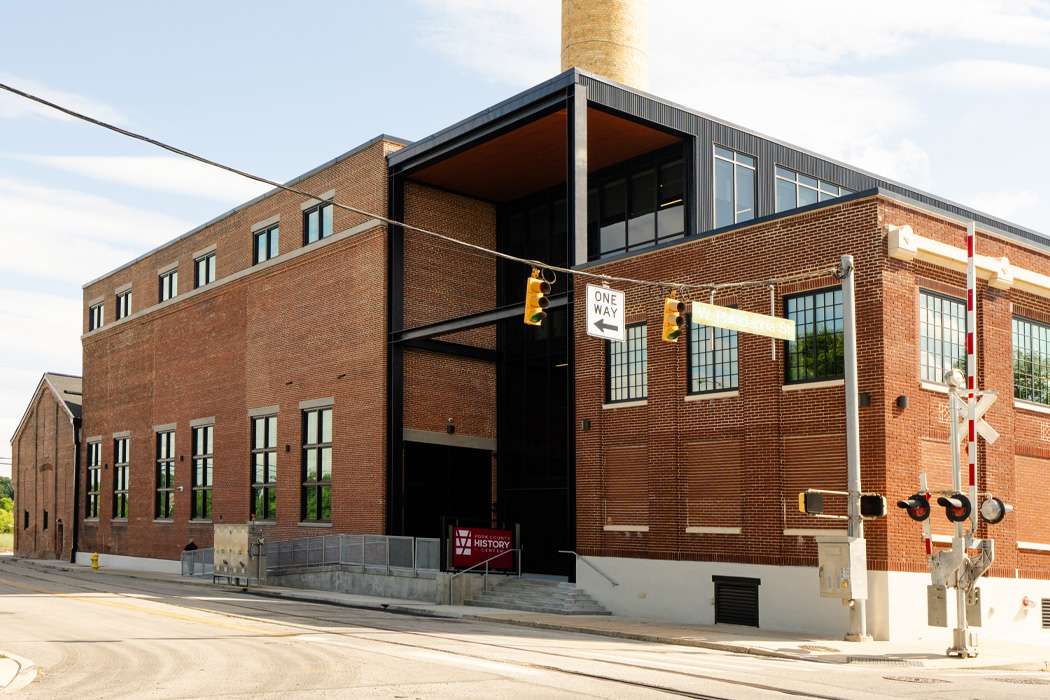
It was only eight months ago that our Industrial team started the process of relocating dozens of historical artifacts from the Agricultural and Industrial Museum to the new York County History Center a few blocks away. Despite the short distance, a skilled rigging crew was necessary to safely move the large antiques including a 200-year-old Conestoga Wagon, piano player, thresher, steam engine and more to the new facility, which was still under construction. When completed this summer, the York County History Center will display hundreds of artifacts from other museums all under one roof.

Assembly Required
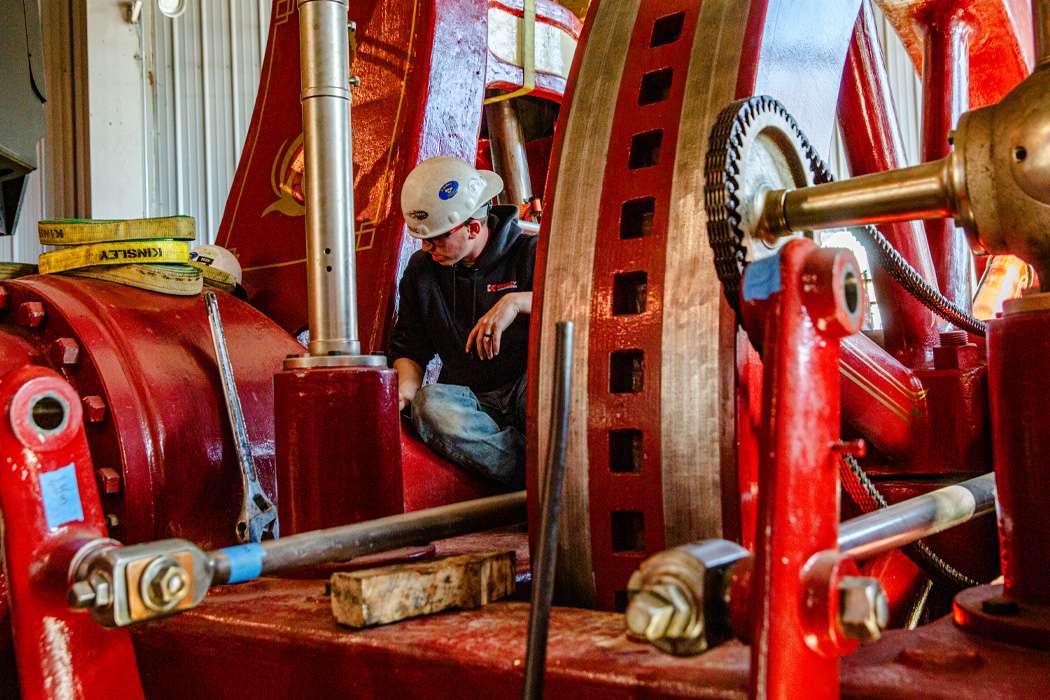
Built by York Manufacturing in 1904, the a-frame ammonia compressor was the largest and most challenging artifact to move. It had to be taken apart, moved piece by piece and reassembled at the new location. As our team dismantled the compressor, Industrial foreman Austin Hepfer drew diagrams of each section to use as a reference for reassembly. At the end of three weeks, they had a large room filled with carefully packaged parts and seven pages of hand-drawn assembly instructions. Loading and offloading the parts in the correct order was a challenge.
Since there was no room for staging, the compressor was reassembled as it was moved. So, the first section removed would be the last to be put back on. That’s why Austin’s drawings were essential to the process. His drawings were put to the test when he unexpectedly went on medical leave – the team jumped in and completed the reassembly in five weeks without their leader.
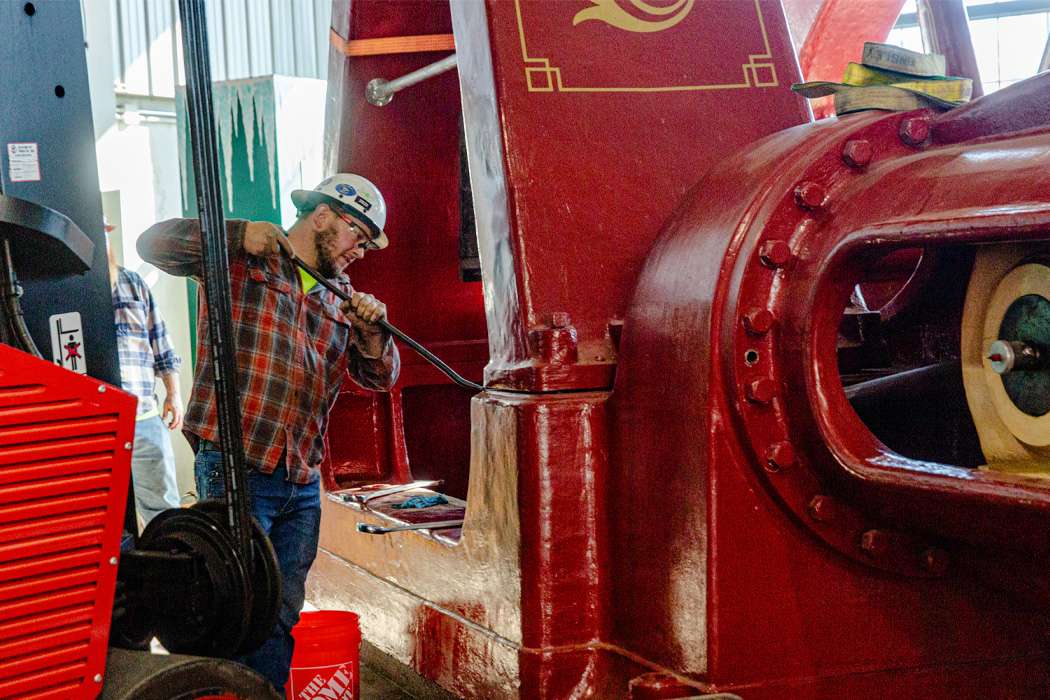
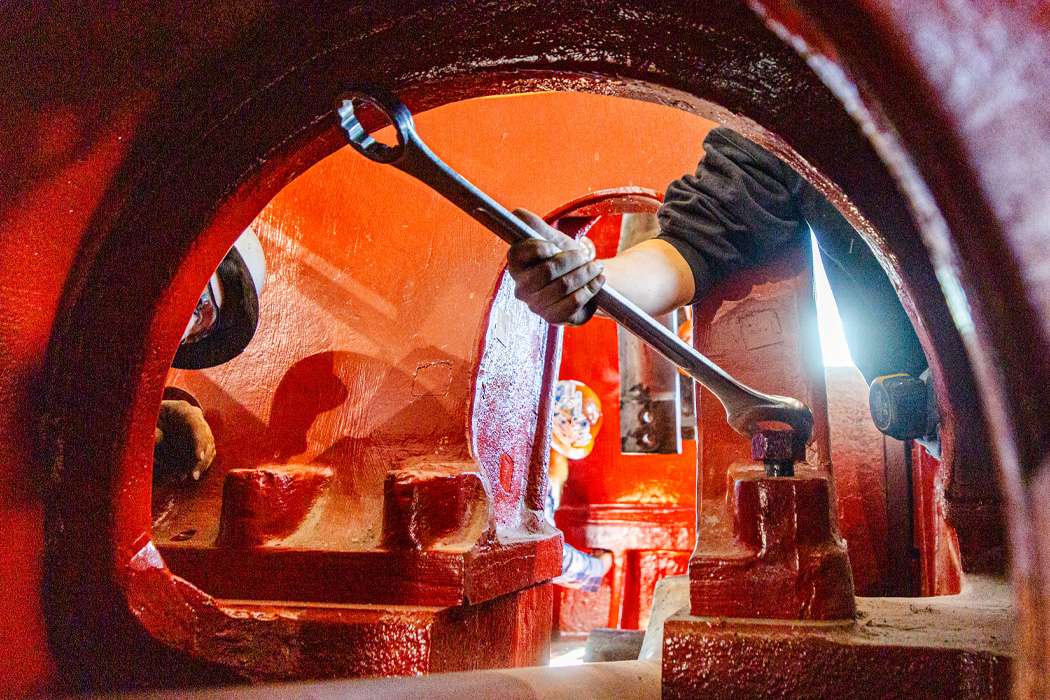
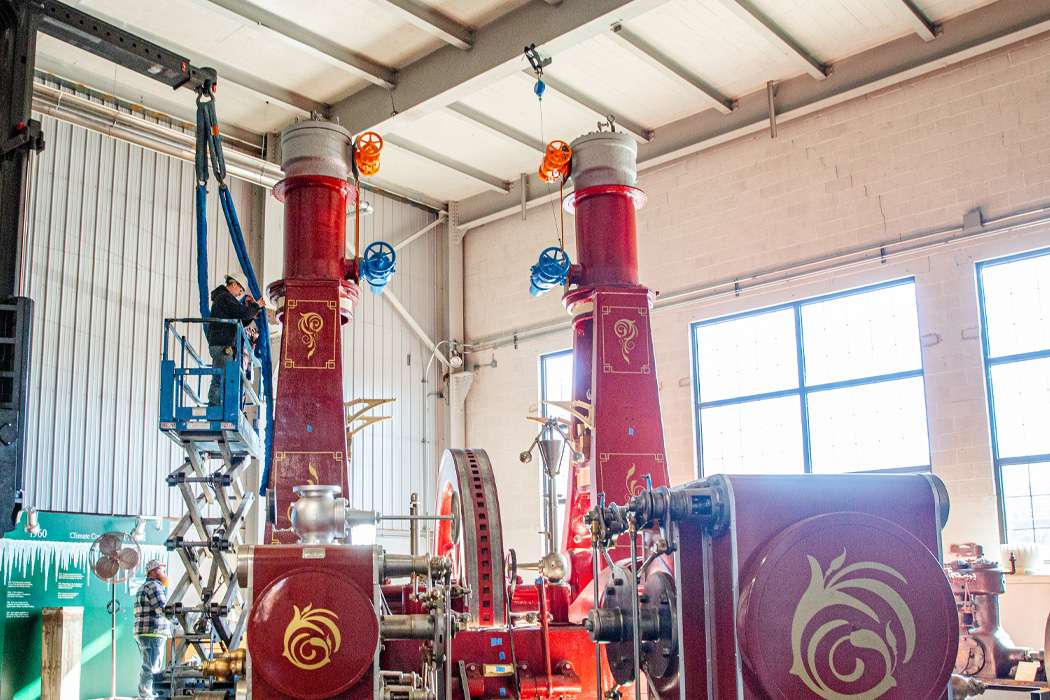
Keep in mind that it took the historical society two years to put this together when they acquired it. It’s an accomplishment that five of our guys disassembled. shipped and reassembled it in two months.
Russell Moser,
Industrial Vice President of Operations
Small Spaces and Precious Cargo
The site of the York County History Center campus is a 150-year-old steam plant in downtown York. In addition to having no laydown area, the space in the new facility was so tight that our rigging equipment barely fit. However, the team managed to make it work – even moving everything through an eight-foot by ten-foot opening.
The activities and schedule of the general contractor added to the challenge, as they only permitted the team to use the opening until January when they needed it closed so the drywallers could meet their deadline. To the general contractor’s and the owner’s delight, we managed to close it a week early.
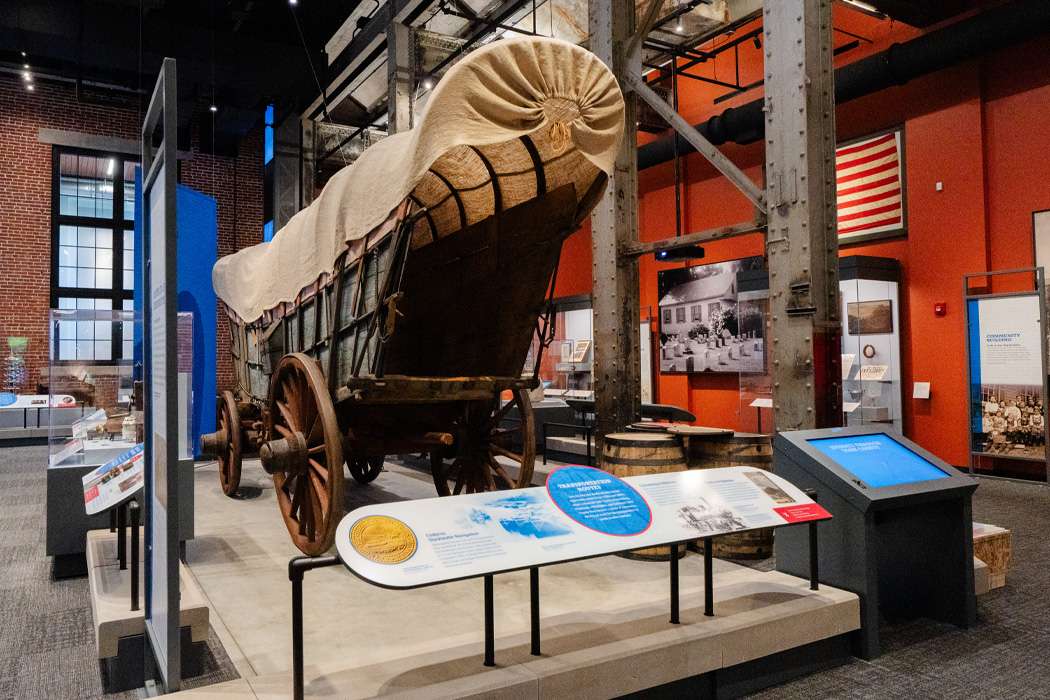

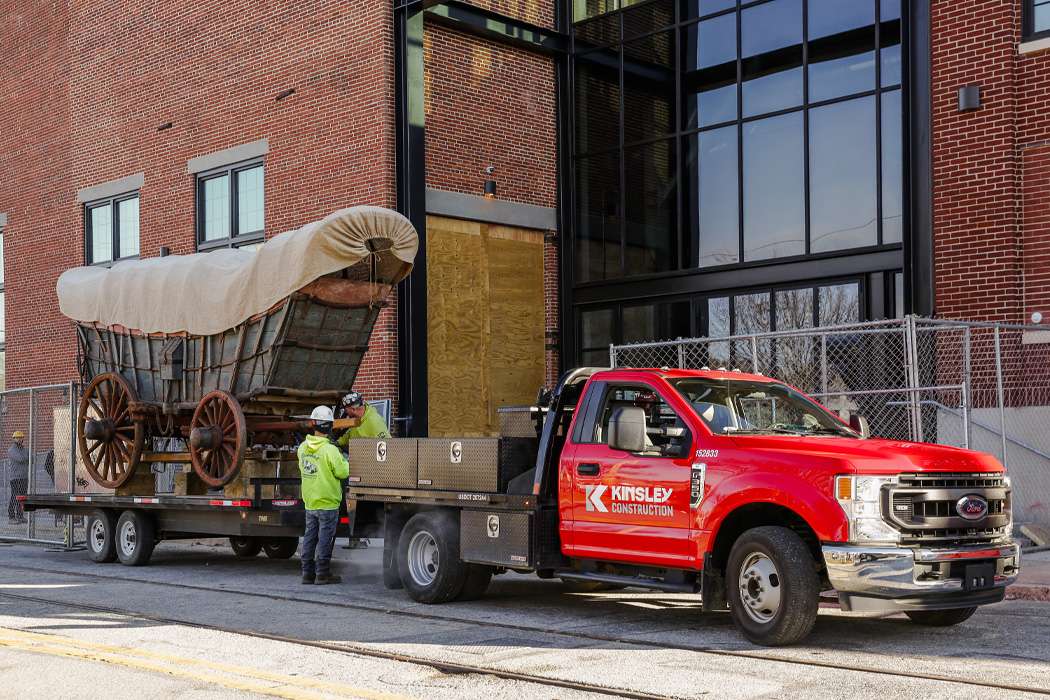
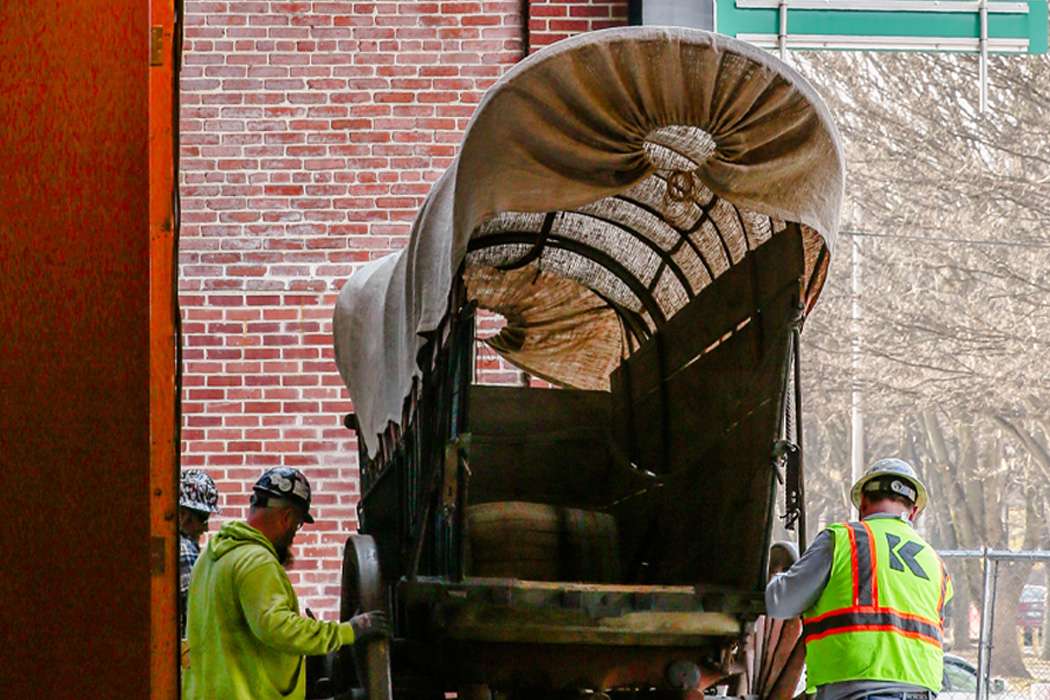
The 200-year-old Conestoga Wagon was the most fragile artifact to move. Even though we were only taking it three blocks down the street at a snail’s pace, Russell said it was nerve-wracking driving behind and watching it sway back and forth. Adding to the pressure was Fox 43’s live broadcasting as the team used a forklift to move the covered wagon off the truck bed and onto moving skates. Even under the watchful eye of the public, the team stayed focused and worked together.
We’d like to extend a special thank you to everyone who took part in this project: Steve Beck, Jim Burkins, Chris Eaton, Steve Gable, Justin Gillman, Neil Gochenauer, Dan Henry, Austin Hepfer, Andrew Hoffman, Cary Latchaw, Justin Miller, Anthony Moser, Russell Moser, Jan Nuzum, Acosta Rivera, Jason Rudisill, Chad Smeltzer and Steve Wert.
It’s so outside the norm of what we do that everyone wanted to be involved. Russell was very hands-on, too. I think it was personal for him.
Jamie Markel,
Industrial Vice President
The Rest is History
On March 5, the team moved the last historical artifact in their scope but remained on call to relocate miscellaneous items as needed. In April, we completed the electrical hook-up of the a-frame ammonia compressor, bringing this challenging and rewarding project full circle. From August 2-4, 2024, you can see the compressor in action at the grand opening celebration of the York County History Center.