

Bridging the Gap
Kinsley Construction’s Site and Highway & Bridge teams joined forces to design and extend a roadway within Shippensburg’s United Business Park. A central feature of this project is the installation of a precast arch culvert, which serves as both a bridge and a crucial component of the area’s drainage system. This article explores the engineering behind the culvert, the construction process and the anticipated benefits for the community.
Also, be sure to watch the accompanying video to see the construction in action and get an inside look at how our teams brought this project to life.
Understanding Arch Culverts
Among the several types of culverts used in construction, an arch culvert functions like an underground bridge, facilitating water flow. Typically made from concrete, metal or stone, arch culverts have a curved shape to enhance hydraulic performance, allowing them to handle higher water volumes more effectively than traditional circular or box culverts. Additionally, the arch design distributes weight evenly, enabling these culverts to span wider waterways without compromising existing stream channels. You might wonder, “What is the difference between a bridge and an arch culvert?” The answer is simple: arch culverts are more cost-effective, faster to build and better suited for bridging smaller creek channels, such as United Drive.


It All Starts with a Foundation
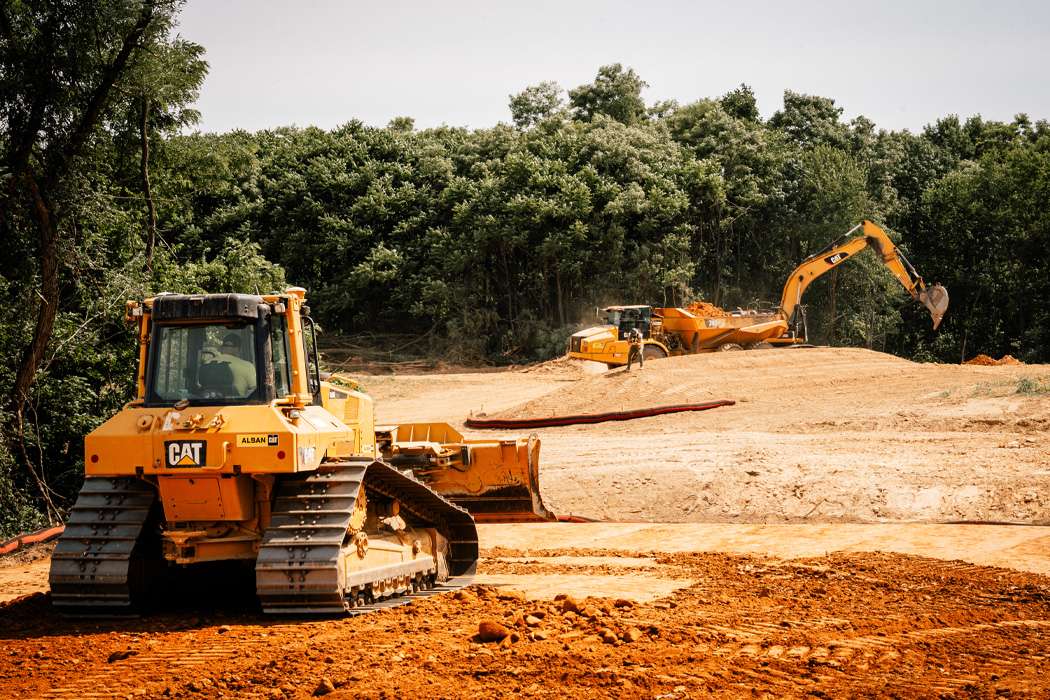
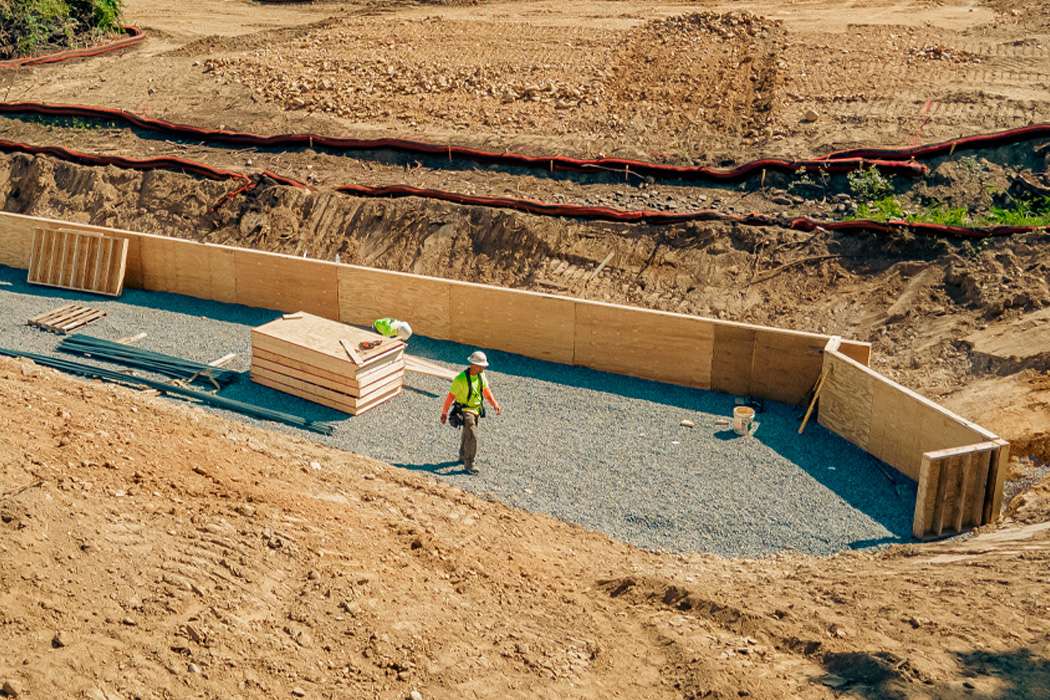
Our Site crew was the first to arrive at the job site to prepare the land for the arch culvert installation. They began by clearing trees and stripping the topsoil, which would be repurposed later. Next, the crew excavated two footers for the culvert, each approximately 14 feet wide, 3.5 feet deep and 85 feet long, positioned on either side of the stream channel. The footers are concrete structures that provide support between the culvert and the ground. For this project, the footers were cast in place on-site using concrete formwork, rather than using precast concrete footers made offsite and delivered. By casting the footers in place, a larger footprint was achieved, ensuring better weight distribution and reducing the risk of the arch culvert sinking over time.
Each footer was accompanied by a wing wall at both ends, with angled vertical concrete slabs extending from the culvert opening. These wing walls help ensure smooth water flow through the culvert. To further strengthen the footers and better support the arch culvert, rebar was tied into the concrete. Rebar, or steel bars, are used as a tension device to reinforce the concrete and decrease the chances of the footers cracking or breaking.

The BIG Install
Once the foundations were completed, the installation began. Transporting the 12-piece arch culvert, along with its four head walls and four wing pieces from Chestertown, Maryland, required 14 truckloads. The pieces were pre-delivered to the job site to expedite the installation. Each piece weighed around 55,000 pounds and came with a tie rod to stabilize the arch pieces and prevent cracking during transport. Upon arrival in Shippensburg, Pennsylvania, our Highway & Bridge crew was prepared to start the installation.
The culvert pieces, transported on their sides, were lifted and positioned using a 400-ton crane outfitted with rigging equipment, including a secondary line with snatch blocks to facilitate rotation. The crane carefully lifted each piece from the transport trailer, turned it with the arch-side up and positioned it over the footers. This process was repeated for each of the 12 culvert pieces. After positioning the pieces, our crew carefully used wood blocking to achieve precise alignment before securing the culvert in its new location.
The head walls and wing walls were installed and bolted to the main arch section, which had been set in a depressed keyway filled with 5,000 psi cement grout to secure the arch pieces. To seal the joints between the arch sections, a rubberized butyl rope was used, followed by a waterproofing membrane over each joint. Once fully assembled, the arch culvert measured 70 feet in length, 35 feet in width and 10 feet in height.


Adding the Finishing Touches
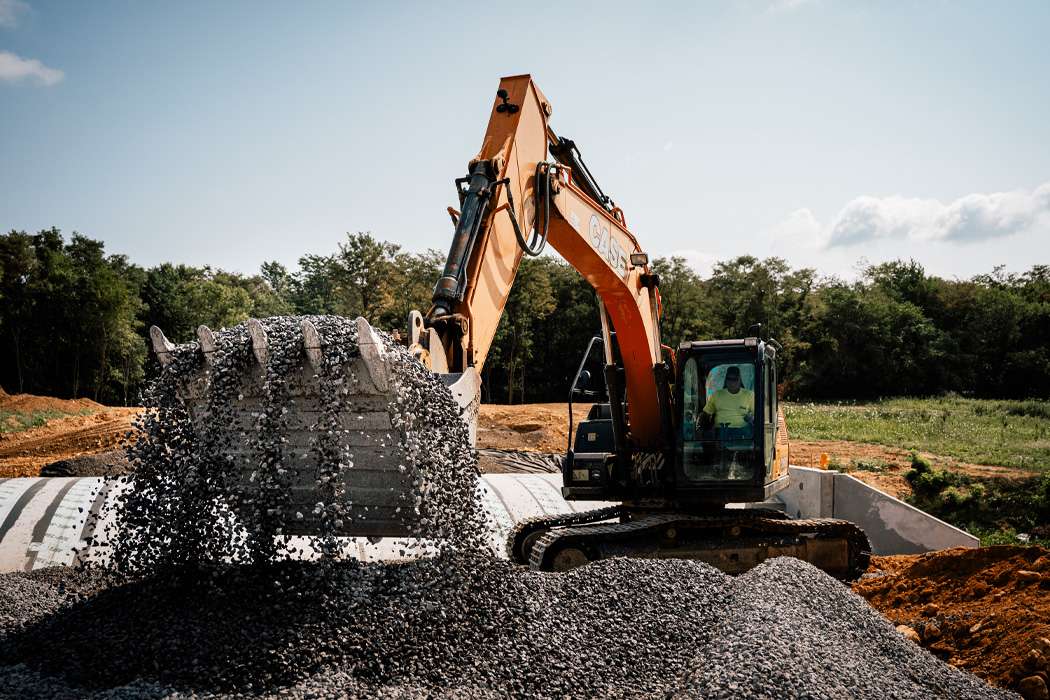
After installing the arch culvert, our Site crew completed several finishing touches First, they placed riprap in the stream channel to protect the foundation and maintain an even water flow. Next, they backfilled the sides and top of the culvert using crushed stone and soil excavated from the arch footers. The new roadway curb, stone subbase and asphalt paving were then completed. Finally, the crew performed finish grading and landscaping around the culvert to blend the installation with the natural environment, ensuring the culvert is both functional and aesthetically pleasing.
The successful completion of the United Drive arch culvert installation marks a significant milestone in the Shippensburg community’s infrastructure improvement efforts. This project not only enhances local transportation but also strengthens the area’s drainage system, providing long-term benefits. Thank you to both our Site and Highway & Bridge crews for your work on this project. To see our hard work in action, take a look at this video to learn more about how we got this job done and done right!
