

Precipitation is essential to our natural ecosystems and plays a critical role in the success or challenges of stream restoration. Understanding how rainfall, snowmelt or the lack of precipitation can influence our restoration projects is essential to create resilient ecosystems that can thrive in the face of both heavy storms and dry spells. Here’s a closer look at how precipitation impacts different aspects of our work and why it matters for restoring healthy waterways.
1. Hydrology and Flow Regimes
Rainfall events shape the way water moves through a stream, with both high and low precipitation impacting flow, structure and long-term success:
High-Flow Events: Heavy rains and snowmelt can cause flash floods that challenge the durability of newly restored channels. These events may erode stream banks, displace sediment and potentially damage constructed features such as step pools, riffles and other in-stream or in-bank structures. Such damage can exacerbate bank erosion and eliminate critical fish passage and habitat for aquatic life. This highlights the importance of robust design and precise installation in our restoration projects.
Low Precipitation: Conversely, drought or lack of precipitation can reduce stream flow, resulting in stagnant water or no flow, which may eliminate habitat for aquatic organisms. Maintaining a stable, continuous flow is essential for a healthy and resilient ecosystem.

The aftermath of a high-flow flooding event with eroded banks, sediment deposits along the stream edges and vegetation flattened by the water’s force.
2. Sediment Transport and Deposition
Precipitation directly influences sediment movement, which is crucial to both maintaining stream structure and water quality.
Erosion and Sediment Loading: Heavy rain and snowmelt often increase runoff, carrying soil and unwanted sediment into streams. High sediment loads can clog channels, alter water velocity and flow patterns, intensify erosion, degrade water quality and diminish habitat for aquatic life.
Beneficial Redistribution: Moderate rainfall, however, can help distribute sediment in ways that enhance stream features, supporting sandbar formation, riffles and pools. These features diversify the habitat and promote ecological balance.

An example of a sediment-laden stream bed and highly eroded banks—evidence of precipitation extremes and sediment transfer.
3. Vegetation and Plant Establishment
Healthy riparian (streamside) vegetation is essential for stabilizing stream banks and supporting biodiversity, with precipitation being key to its success.
Plant Survival: Consistent precipitation is essential for establishing native plants in riparian buffer zones. These native trees and shrubs stabilize stream banks with strong root systems and offer abundant habitat for wildlife, supporting the broader ecosystem.
Flood Risks: Too much precipitation, however, can wash away newly planted vegetation, slowing the development of riparian buffers and potentially causing bank instability and downstream sediment deposit.
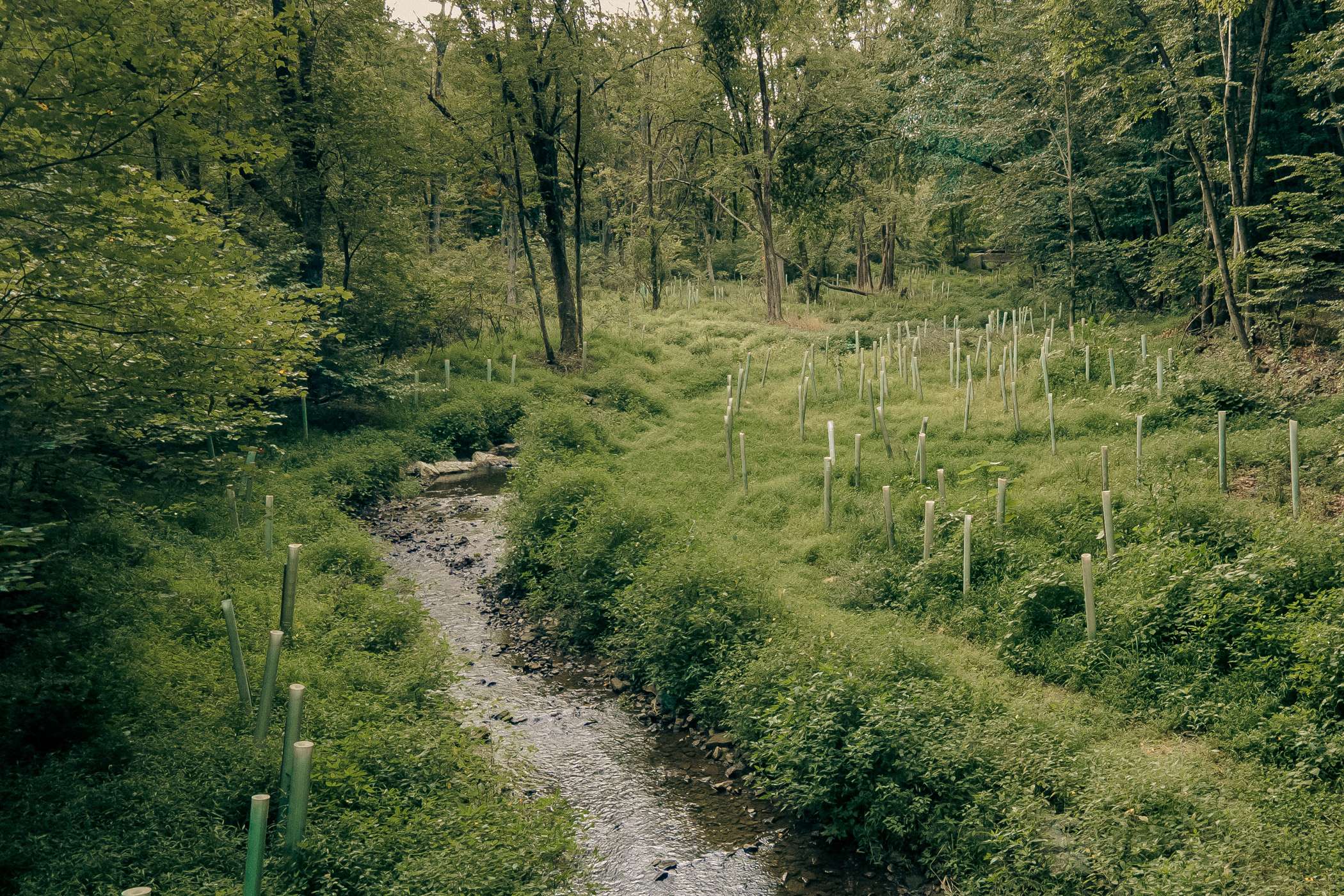
A thriving example of a healthy, established riparian buffer with lush vegetation and well-rooted plants aiding stream stability.
4. Water Quality Effects
Precipitation influences water quality in both positive and negative ways, affecting the health of stream ecosystems.
Nutrient Runoff: Heavy rains and snowmelt can generate runoff, carrying nutrients from surrounding areas into streams along with chemicals from agricultural practices and pollutants such as nitrogen and phosphorus. This runoff can lead to algal blooms and degrade water quality, posing significant threats—and potentially fatal consequences—for aquatic animals and plant species in downstream ecosystems.
Pollutant Dilution: Moderate precipitation events help limit runoff, dilute pollutants and maintain water quality, creating more suitable conditions to support aquatic life and ecosystems.
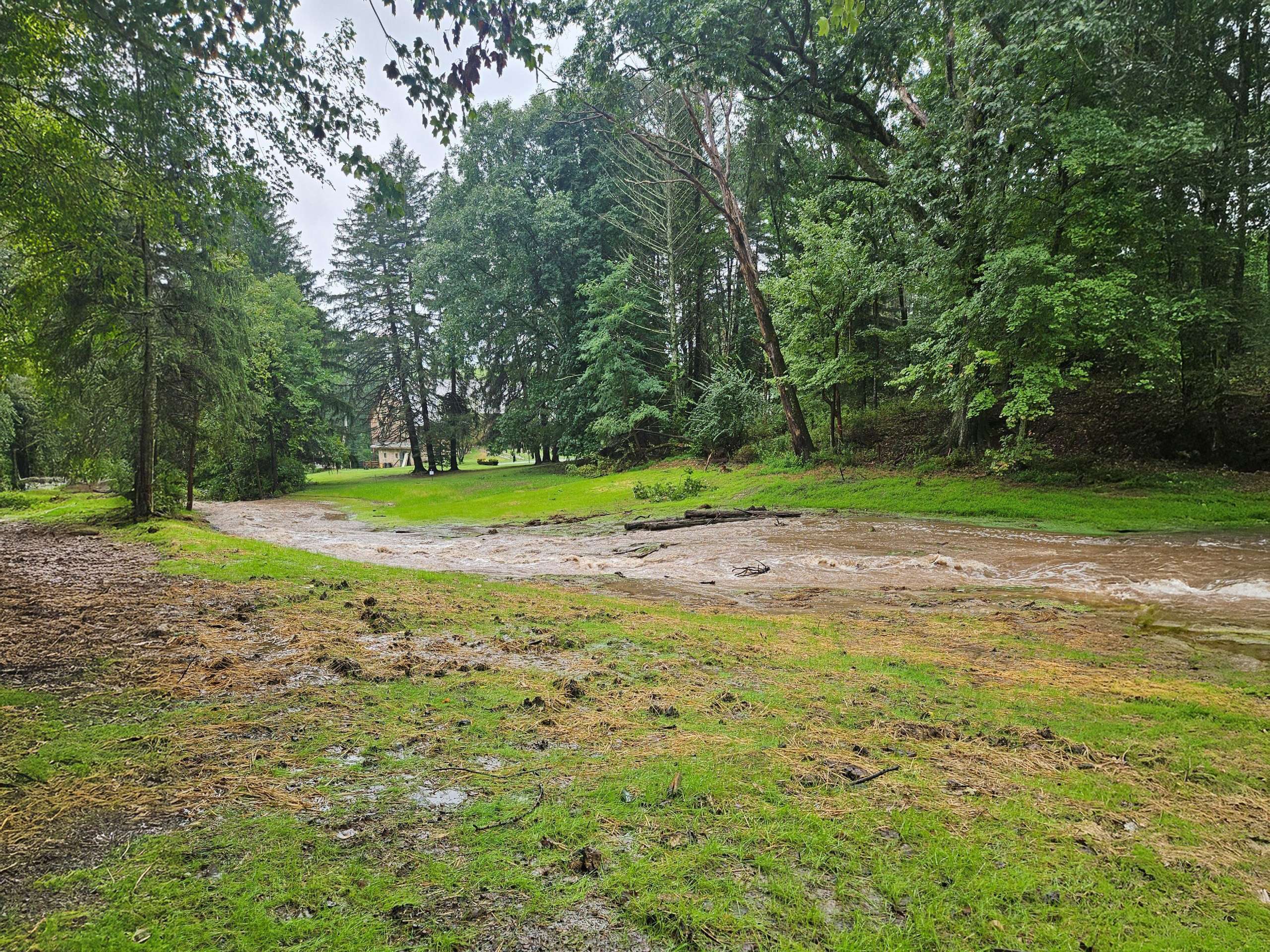
A dynamic scene during a high-flow flooding event, showcasing the powerful surge of water and its immediate impact on the surrounding environment.
5. Aquatic Habitat Conditions
Precipitation affects the diversity and stability of aquatic habitats in restored streams.
Flow Variability: Rainfall and snowmelt create variability in water levels, which can support diverse aquatic species. However, sudden changes from high-flow events or dry spells can disrupt habitats and reduce biodiversity.
Thermal Regulation: Adequate precipitation helps keep water temperatures cool, which is critical for the survival of temperature-sensitive species like trout. However, during droughts or dry spells, water temperatures rise, reducing oxygen levels and harming the reproductive ability of cold-water fish such as trout and salmon. Higher temperatures also encourage algal blooms, which further deplete oxygen levels and intensify threats to cold-water fish and other aquatic life.
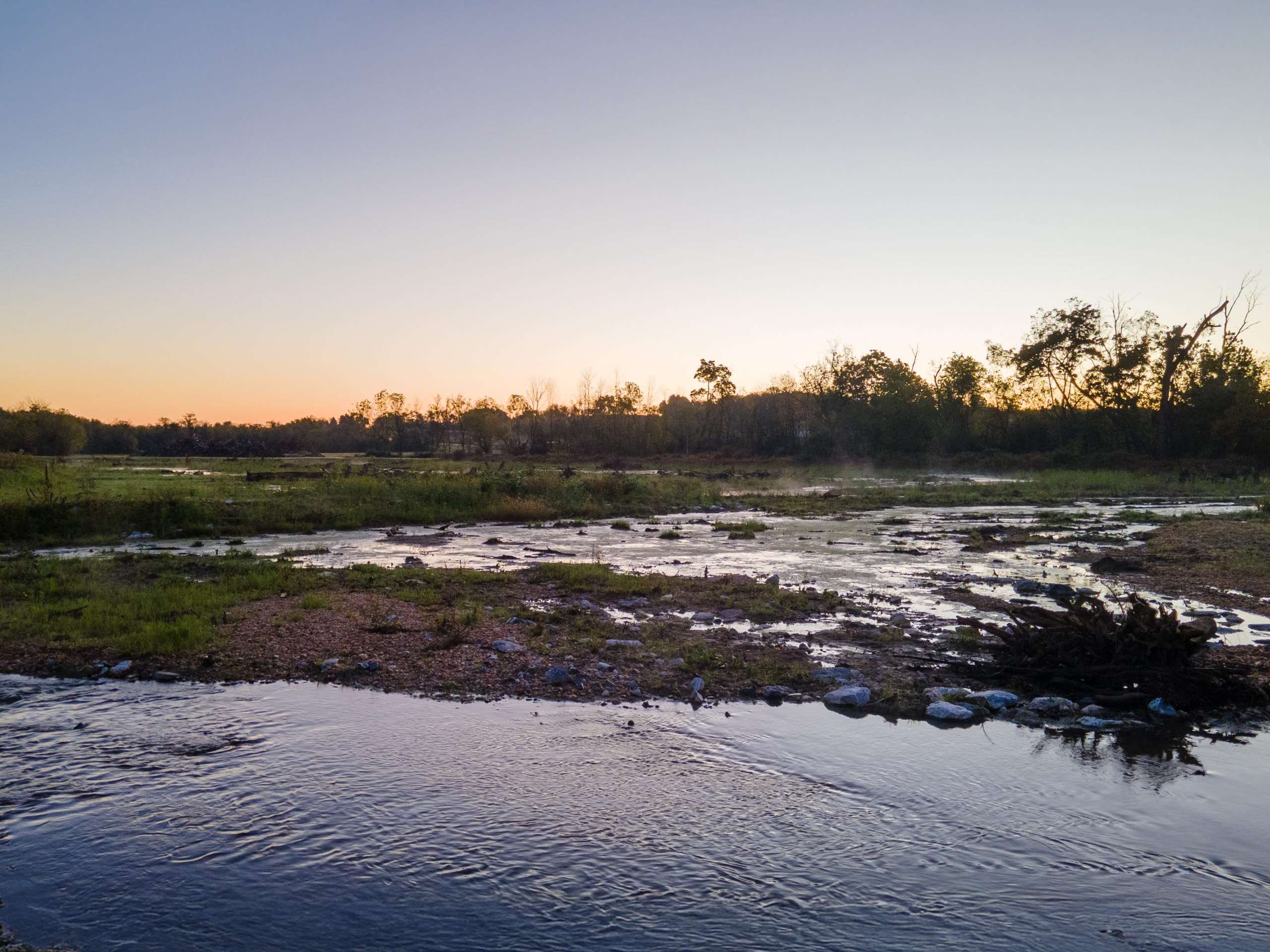
This is an example of a recently restored floodplain and wetland system with water levels that support the local ecosystem, creating a more diverse and resilient habitat for aquatic life and vegetation.
6. Structural Integrity of Restoration Features
Precipitation events serve as natural tests for the resilience of engineered features in a restoration project.
Testing Stability: High flow events challenge the durability of cross rock vanes, riffles, step pools and other structures. Properly engineered designs and expertly installed features can withstand these forces, reducing the risk of damage.
Post-Restoration Monitoring: After significant precipitation events, it is crucial to evaluate any damage and perform necessary repairs to ensure the long-term stability and integrity of the project.

A recently constructed and stable double-throated cross rock vane, designed to withstand high-flow and weather events while providing crucial fish passage for threatened species native to the stream.
7. Groundwater Recharge and Base Flow Support
Groundwater plays a key role in supporting stream flow during dry periods and precipitation is essential for groundwater recharge.
Sustainable Water Levels: Precipitation contributes to groundwater, which supports base flows in streams, especially important during droughts. This continuous flow sustains both riparian buffers and aquatic habitats.
Reduced Recharge in Drought: Limited precipitation reduces groundwater levels, impacting base flow and overall water availability. This in turn can create susceptibility to erosion threaten aquatic life and impair vegetive establishment.

A preconstruction view illustrating sediment deposits and bank erosion exacerbated by flooding and pre-existing instability.
8. Ecosystem Resilience
Ultimately, the resilience of a stream restoration project depends on its ability to adapt to variable precipitation patterns.
Adaptation to Change: Restoration projects are designed to withstand high-flow events, reduce sediment deposits, manage runoff more efficiently, create habitat and enhance the resilience of previously unhealthy ecosystems. These features, in turn, provide a buffer for the surrounding ecosystem, helping it better adapt to climate changes and weather events.

A restored floodplain system demonstrating ecosystem resilience with vibrant vegetation and stable hydrology.
The Power of Precipitation
Precipitation is a powerful force that shapes the success of stream restoration projects. Moderate precipitation fosters plant growth, maintains stream flow and supports habitat diversity, while extreme weather—whether excessive or insufficient—can undermine the stability and health of local ecosystems.
We carefully consider weather patterns, climate variability and the potential for extreme weather when designing and implementing our stream restoration projects. Our goal is simple: to create resilient systems capable of adapting to nature’s ever-changing conditions.