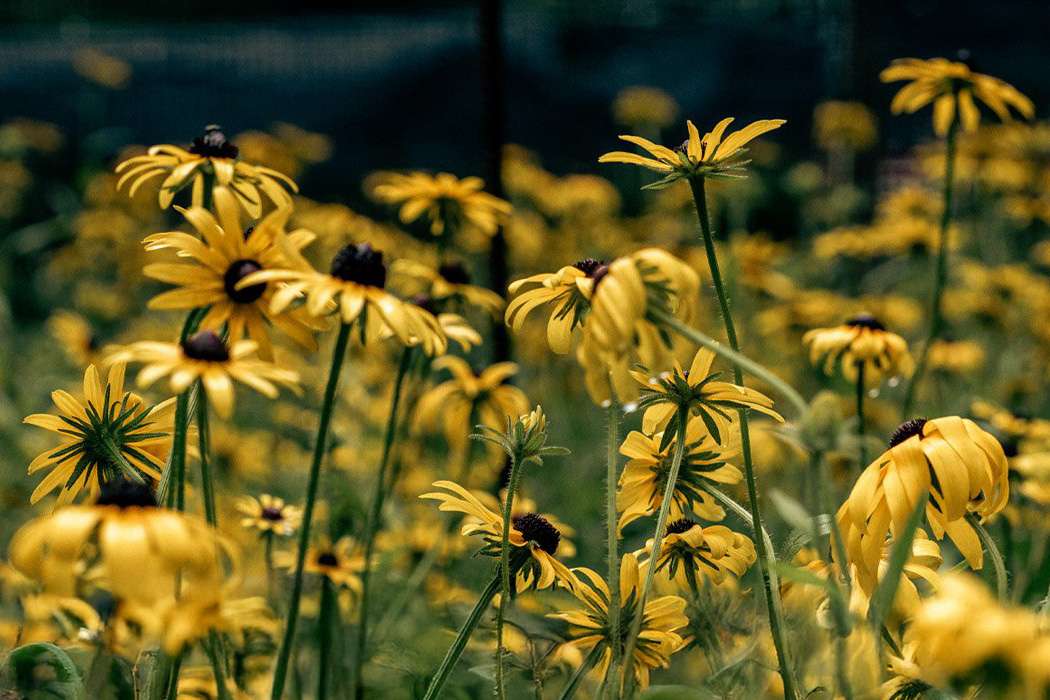
Pollination might sound like a fancy term for plant matchmaking, but it’s actually one of the most vital processes keeping our ecosystems and our food sources alive and thriving. Without it, many plants—including fruits, vegetables and flowers—couldn’t reproduce. So, on World Honey Bee Day, while we celebrate those iconic golden honey-makers, it’s just as significant to shine a light on all native pollinators and the native plants they rely on. With pollinator populations declining around the globe, it’s more important than ever to understand their role in nature and what we can do to protect them.
Why Pollination Matters
Pollination occurs when pollen is transferred from the male part of a flower (anther) to the female part (stigma), allowing plants to produce seeds and fruit. While some plants rely on wind or water for this process, most depend on animals, especially insects, for successful pollination. Pollinators are responsible for pollinating more than 75% of the world’s flowering plants and about 35% of global food crops. However, their impact stretches far beyond agriculture. They support entire ecosystems by helping native plants reproduce, which in turn provides habitat and food for other wildlife.

What Are Native Pollinators and Native Pollinating Plants?
When we think of pollinators, honeybees often come to mind, but they’re just one part of a much bigger picture. Native pollinators include a wide range of species including:
- Native bees (like bumblebees, mason bees and carpenter bees)
- Butterflies
- Moths
- Flies
- Hummingbirds
Many of these pollinators have developed specialized relationships with native plants, making them especially effective at supporting local biodiversity. Unfortunately, native pollinator populations are rapidly declining due to habitat loss, pesticide use, climate change and invasive species. That’s where native pollinating plants come in! These local bloomers have evolved alongside native pollinators and are perfectly suited to meet their needs—providing nectar, pollen and shelter to help sustain healthy populations and restore ecological balance.
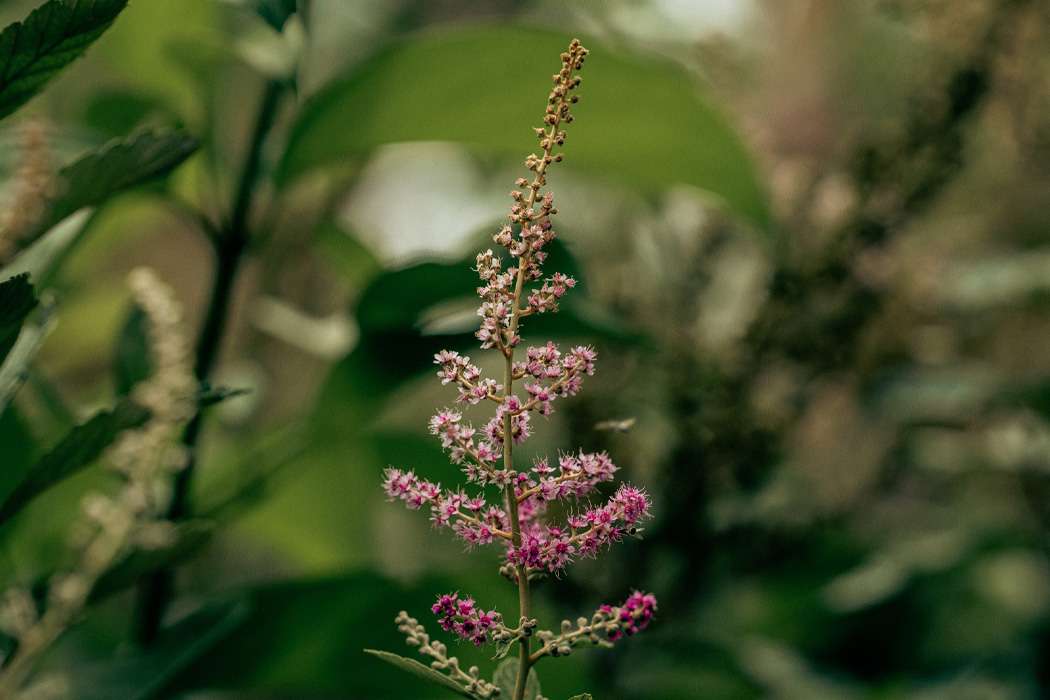
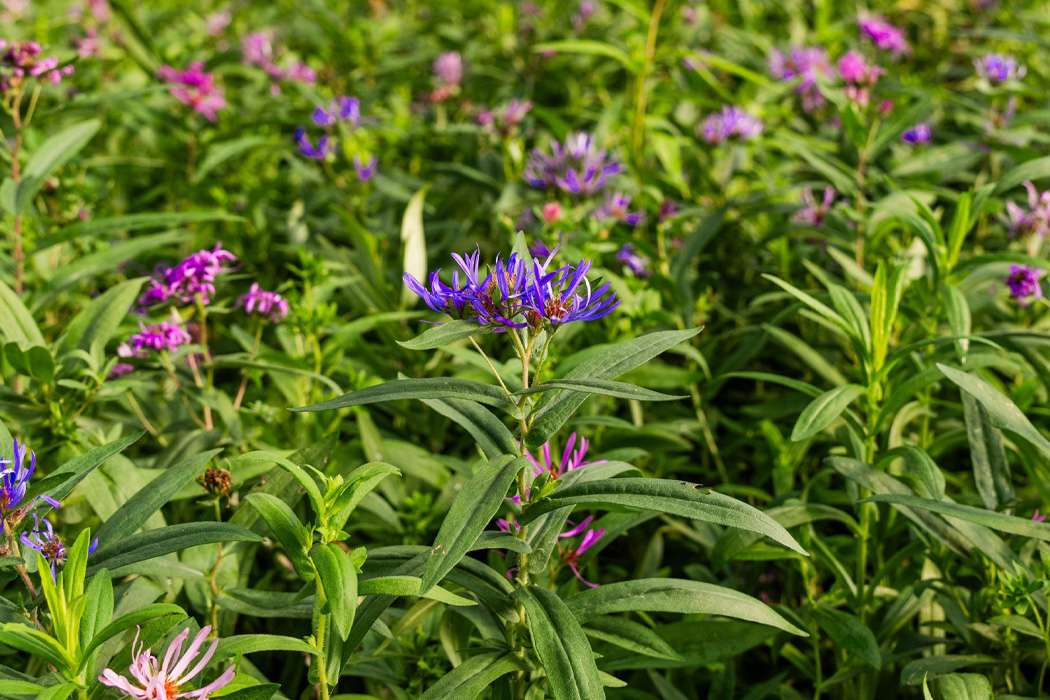
However, not all flowers are created equal. While many ornamental plants look beautiful, they often provide little to no nutritional value for pollinators. Native plants, on the other hand, are nutrient-rich and accessible to local species. Some standout pollinator plants that we grow in our native nursery include:
- Asters and goldenrod, which bloom late in the season when resources are scarce
- Coneflowers, Joe-Pye weed and buttonbush, which support a wide variety of pollinators
- Native perennials, shrubs and trees that offer long-term support throughout the year
By planting native species and protecting native pollinators, we’re helping to sustain a natural partnership that keeps ecosystems functioning and food webs intact.
Planting the Way Forward: Using Native Plants in Stream Restoration Projects
We understand that successful ecological restoration must go beyond erosion control. That’s why we incorporate native plant species and meadow mixes into our stream restoration projects: to stabilize soil, reduce runoff and attract native pollinators. For example, we often include buttonbush in riparian zones not just for its visual appeal, but for its ability to anchor soil and thrive in wet, flood-prone areas.
By choosing native plants, we create self-sustaining ecosystems that invite wildlife to return once our work is complete, helping to restore the natural balance. In some projects, we’ve observed specialized pollinators, such as butterflies linked to specific plants or caterpillars reliant on a single native shrub, return almost immediately. Using native plants ensures long-term success by fostering a living landscape that naturally regenerates over time.
Here’s How YOU Can Help!
There are plenty of simple ways to support native pollinators right at home. Start by planting native species instead of decorative exotics—just a few coneflowers or goldenrod can provide essential nectar and pollen. Avoid using pesticides and herbicides, especially on flowering plants, as these chemicals can harm pollinators. Consider skipping a mow or two; that so-called “messy” patch in your yard could actually be a haven for bees and butterflies. Leave the leaves in the fall, as many insects shelter in leaf litter and brush piles during winter.
If you use a landscaping service, don’t hesitate to ask what they’re spraying to ensure it’s safe for pollinators. Finally, support local conservation efforts, whether by volunteering, donating or simply spreading the word. Every action, big or small, makes a difference in protecting native pollinators and the habitats they depend on.