

Ever wonder why bats are such an icon of Halloween? Their spooky reputation comes from the ancient Celtic festival of Samhain, a celebration marking the end of harvest season. During Samhain, people lit towering bonfires, wore costumes to ward off spirits and made offerings to honor the dead—traditions that eventually evolved into what we now know as Halloween.
Drawn to the swarms of insects gathering around the flames, bats would swoop and dart through the air. In the firelight, their shadowy movements looked otherworldly, leading people to believe they were vengeful spirits or souls of the returning dead. From that moment on, bats found their place as symbols of the season’s mystery and magic.
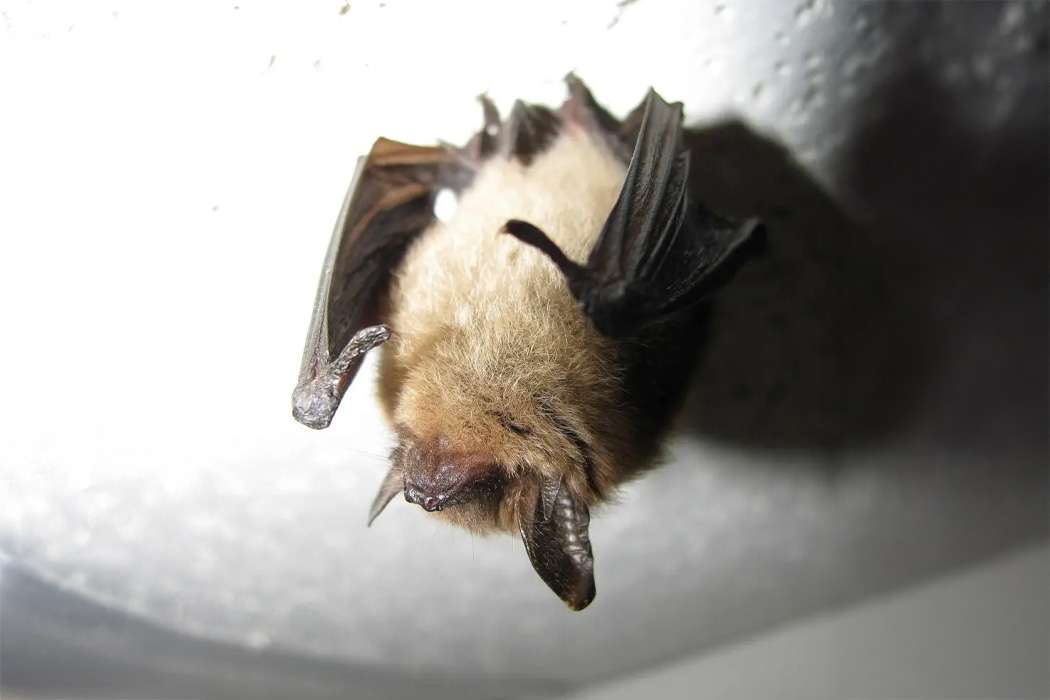
Northern long-eared bat, Photo Credit: Anamlia.bio
But behind the superstition lies a story of real importance. Bats are essential to healthy ecosystems, helping control pests, pollinate plants and spread seeds that keep our landscapes thriving. And at Kinsley Construction, these remarkable creatures even shape how and when we work. Across the Mid-Atlantic, our Clearing and Environmental teams plan projects with several local bat species in mind, doing our part to protect both wildlife and the work we do.
The Bats of the Mid-Atlantic
The Mid-Atlantic is home to a variety of bat species, including the big brown bat, little brown bat, eastern red bat, Indiana bat, northern long-eared bat, hoary bat, evening bat and more. While some are common, others, such as the northern long-eared and Indiana bats, are federally threatened or endangered. These forest-dwelling species have faced steep population declines caused by white-nose syndrome, a deadly fungal disease, along with the continued loss of suitable habitats.
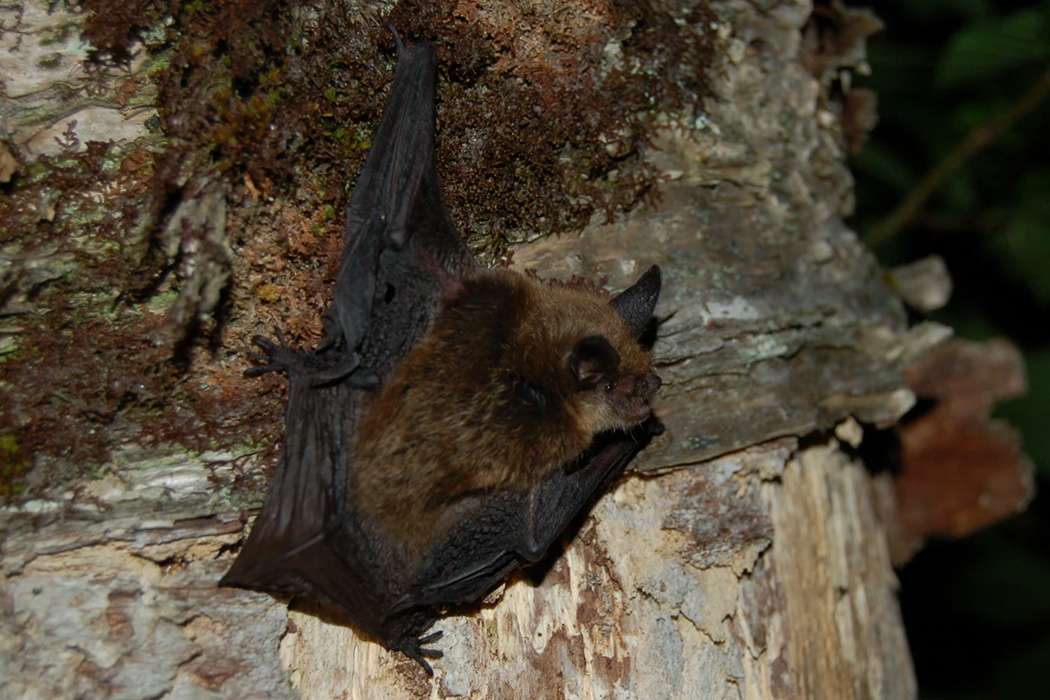
Northern long-eared bat, Photo Credit: Jordi Segers
Without bats, our region could face serious ecological and economic consequences. These nocturnal insect-eaters play a vital role in controlling pests that damage crops and forests. Without them, farmers would face higher costs, forests would weaken and predator species that depend on bats would lose an essential food source.

Indiana bat
At Kinsley Construction, this understanding shapes how we work. We know that while construction has the possibility to disrupt wildlife, it can also be done responsibly. Our Clearing and Environmental teams follow all federal and state guidelines and seasonal restrictions when working near known bat habitats, protecting both the species and the ecosystems that rely on them.
Clearing with Care
Our Clearing crew works across a range of projects, from making way for new infrastructure to performing habitat management. Their role is to clear land sustainably and responsibly, which means planning around the species that call these wooded areas home, including bats.
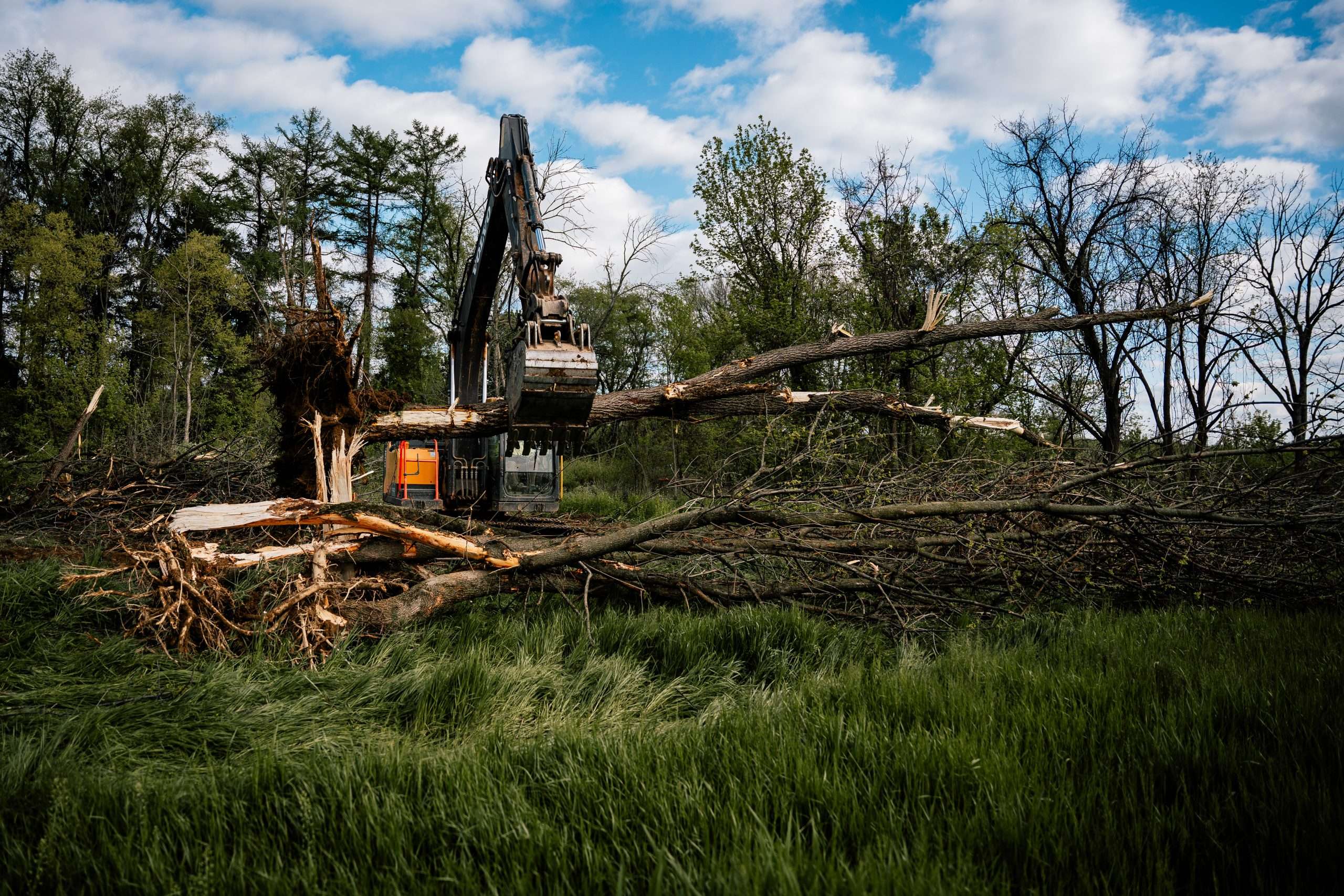
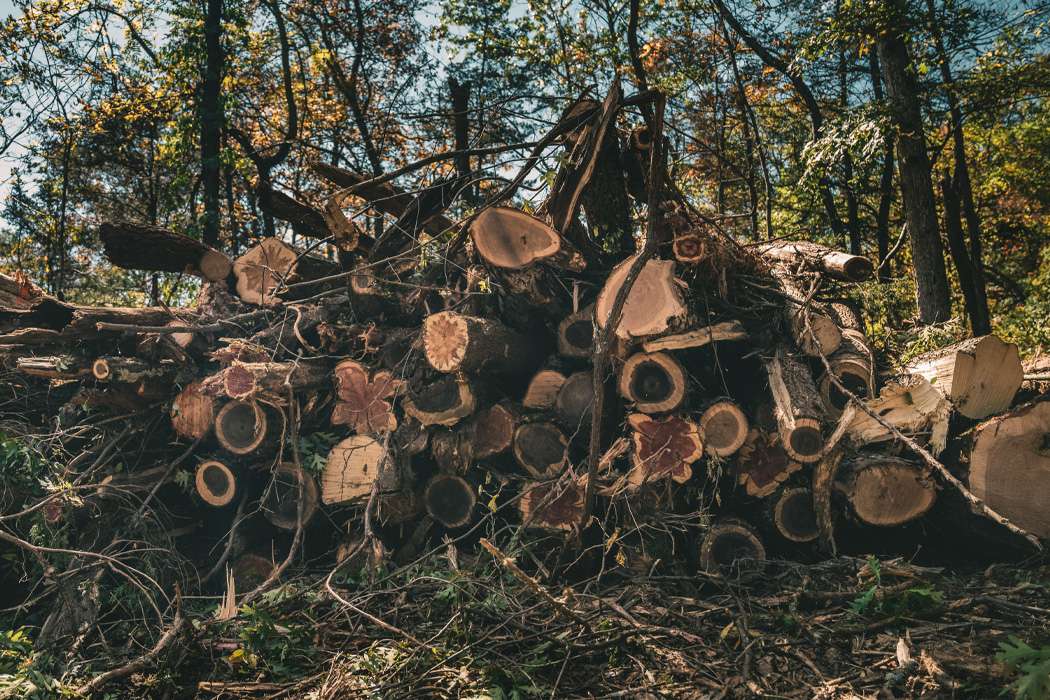
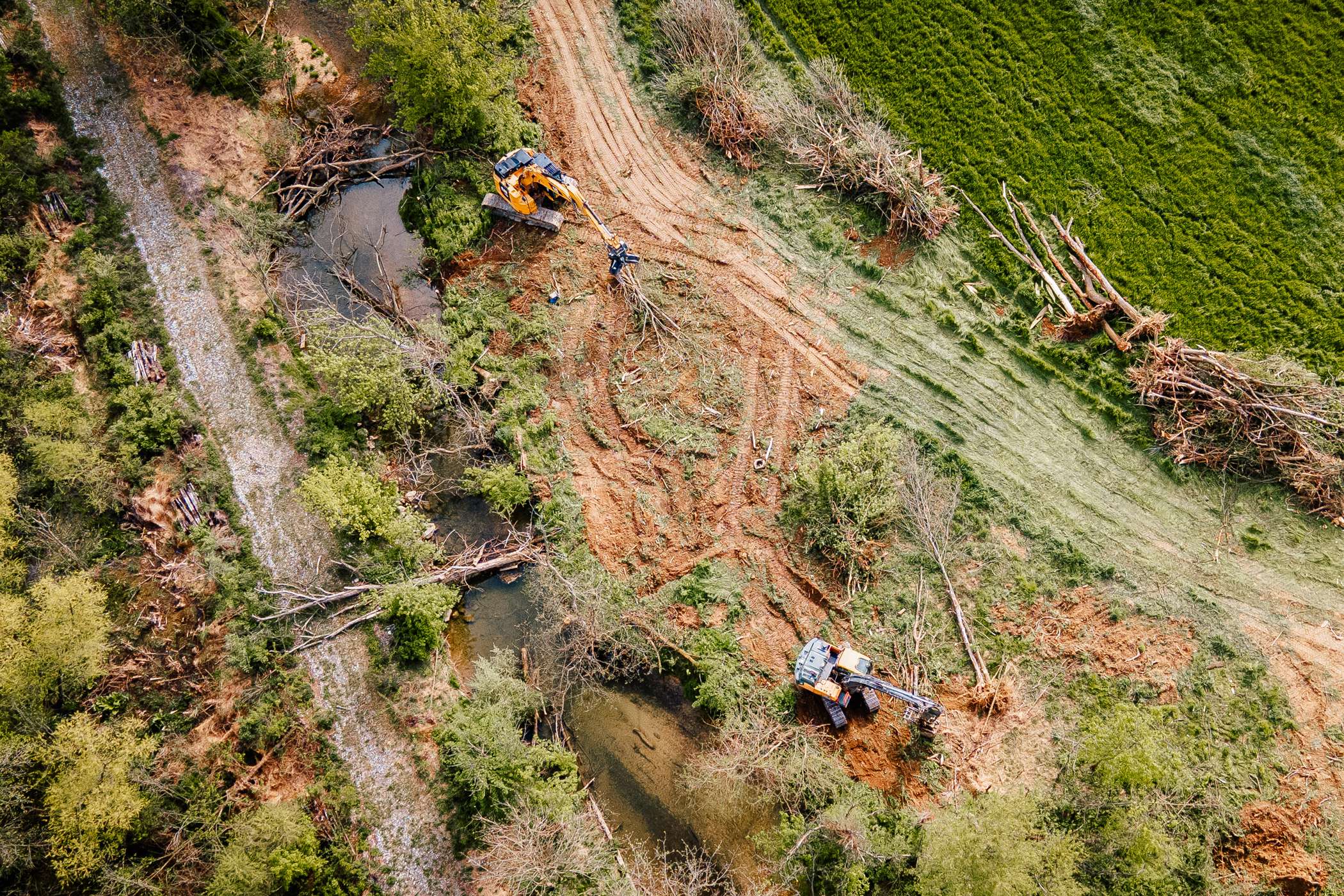
Much of our work is restricted during nesting season, which runs from April 1 to September 30, to protect flightless pups and endangered species. To minimize delays during this period, our crew carefully plans ahead. We fell and stage the necessary trees on-site before restrictions take effect. Once the restricted period begins, we pause active felling and focus on processing the previously cut logs.
These materials are then repurposed and sold to sawmills, ground into mulch for landscaping and erosion control or used as biomass fuel, ensuring nothing goes to waste. However, on some of our Environmental team’s restoration projects, clearing is also required. The logs and woody debris from these sites are often recycled into habitat or to provide stability in stream and floodplain projects.
Logs from felled trees were recycled and repurposed to enhance stream stability, fish passage and habitat.
Logs from felled trees were recycled and repurposed to enhance stream stability, fish passage and habitat.
Heavy matting, woody debris and cleared logs were repurposed as floodplain habitat for insects, amphibians and fish, helping reduce flooding during high-flow events.
By coordinating our work with wildlife guidelines, we can complete projects efficiently while protecting local ecosystems. It is an approach that balances construction needs with environmental stewardship, showing that progress and conservation can go hand in hand.
Supporting Biodiversity
The Environmental team also plays a vital role in protecting local species and ecosystems. They specialize in restoring streams, wetlands and floodplains, actively returning these natural systems to a healthy, functional state. This critical work strengthens ecosystems and supports a wide range of species—from amphibians and fish to bats that depend on clean water and thriving insect populations.
Beyond restoration, the team enhances natural habitats by managing invasive species and planting native trees, shrubs and herbaceous material. For bats specifically, they sometimes install supplemental habitats, such as bat boxes in forested areas, to provide safe roosting and breeding spaces.
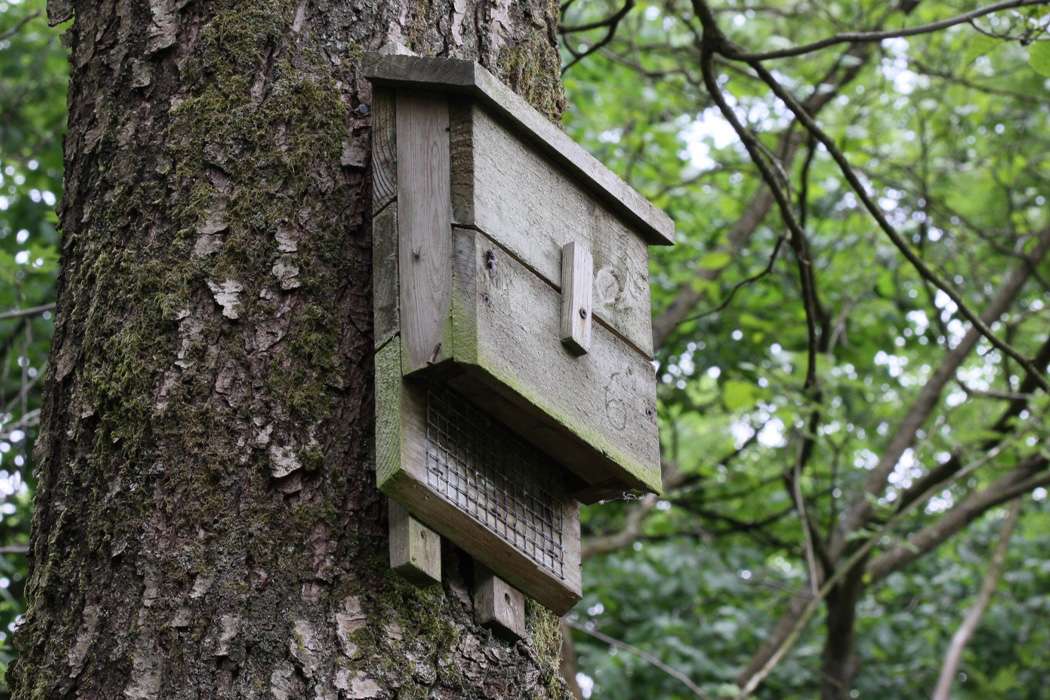
Through this work, our team helps create lasting ecological resilience, restoring balance to natural environments and ensuring that both wildlife and communities can thrive long after construction is complete.
A Balance of Progress and Protection
From their ancient, mysterious origins as symbols of the night to their vital, modern role in our environment, bats are far more than just a seasonal icon. They are an irreplaceable part of the Mid-Atlantic ecosystem and their presence is a constant reminder that the work we do must respect the world around us.
At Kinsley Construction, we see the seasonal restrictions and environmental guidelines as a framework for construction done right. By integrating meticulous planning, responsible clearing and targeted environmental restoration, our teams consistently find the balance between building the future and protecting the natural life around us.