Self-Perform vs. Subcontract: Which One Actually Delivers?
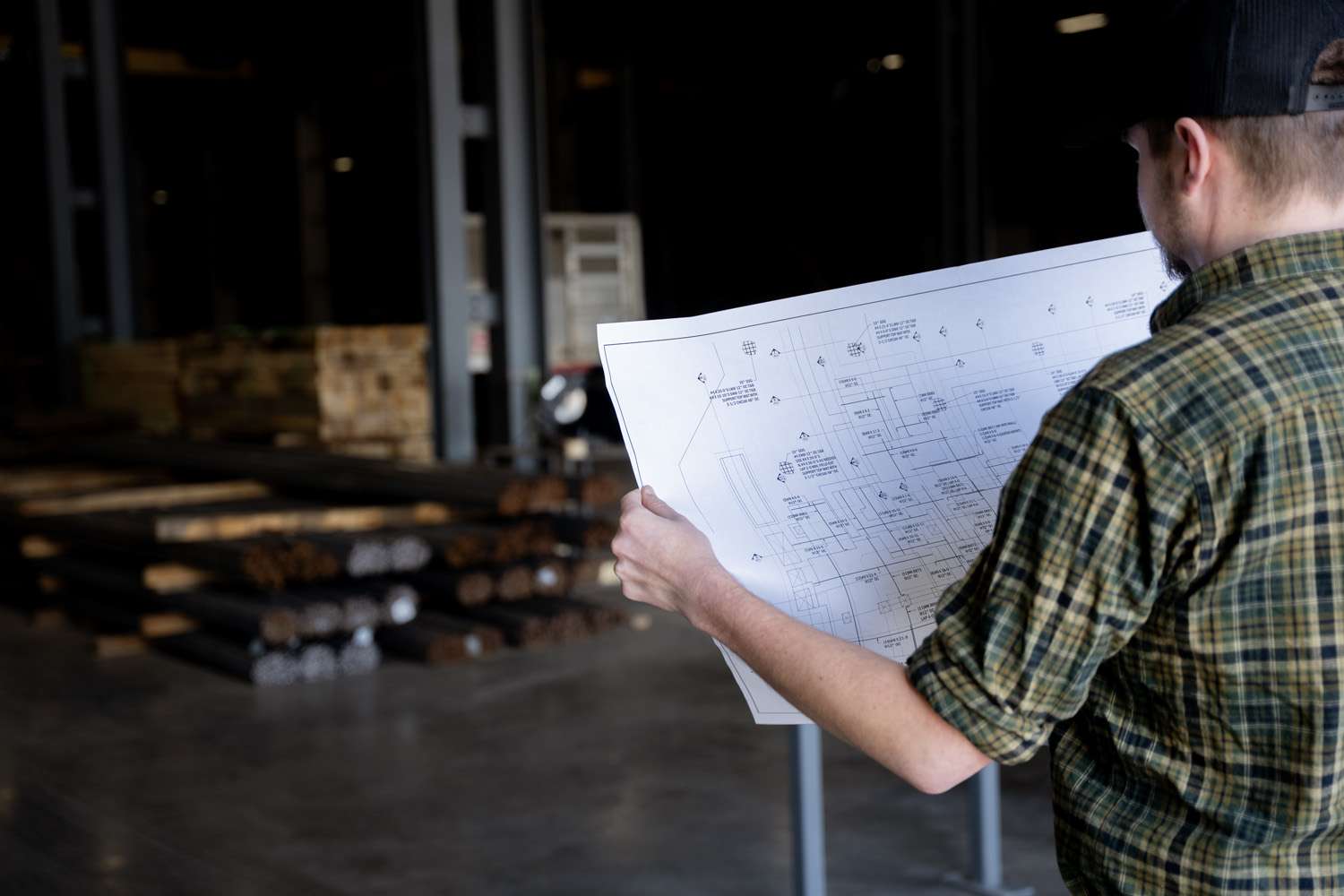
In construction, this debate comes up on every job: is it better to self-perform the work or subcontract it out? The reality is, most contractors lean heavily one way or the other, and that choice shows up in the schedule, the coordination and ultimately the finished product. Because when work is constantly changing hands, so is responsibility.
At Kinsley Construction, we were never built to sit in the middle of that question. From day one, Robert A. Kinsley set out to create a company that could take on critical scopes of work with its own people, its own equipment and its own standards. That foundation still drives how we operate today. While we know where strong trade partners elevate a project, our ability to self-perform across a wide range of services is what sets us apart in the Mid-Atlantic and gives our clients a more controlled, reliable way to build.
Built to Perform a Wide Range of Work
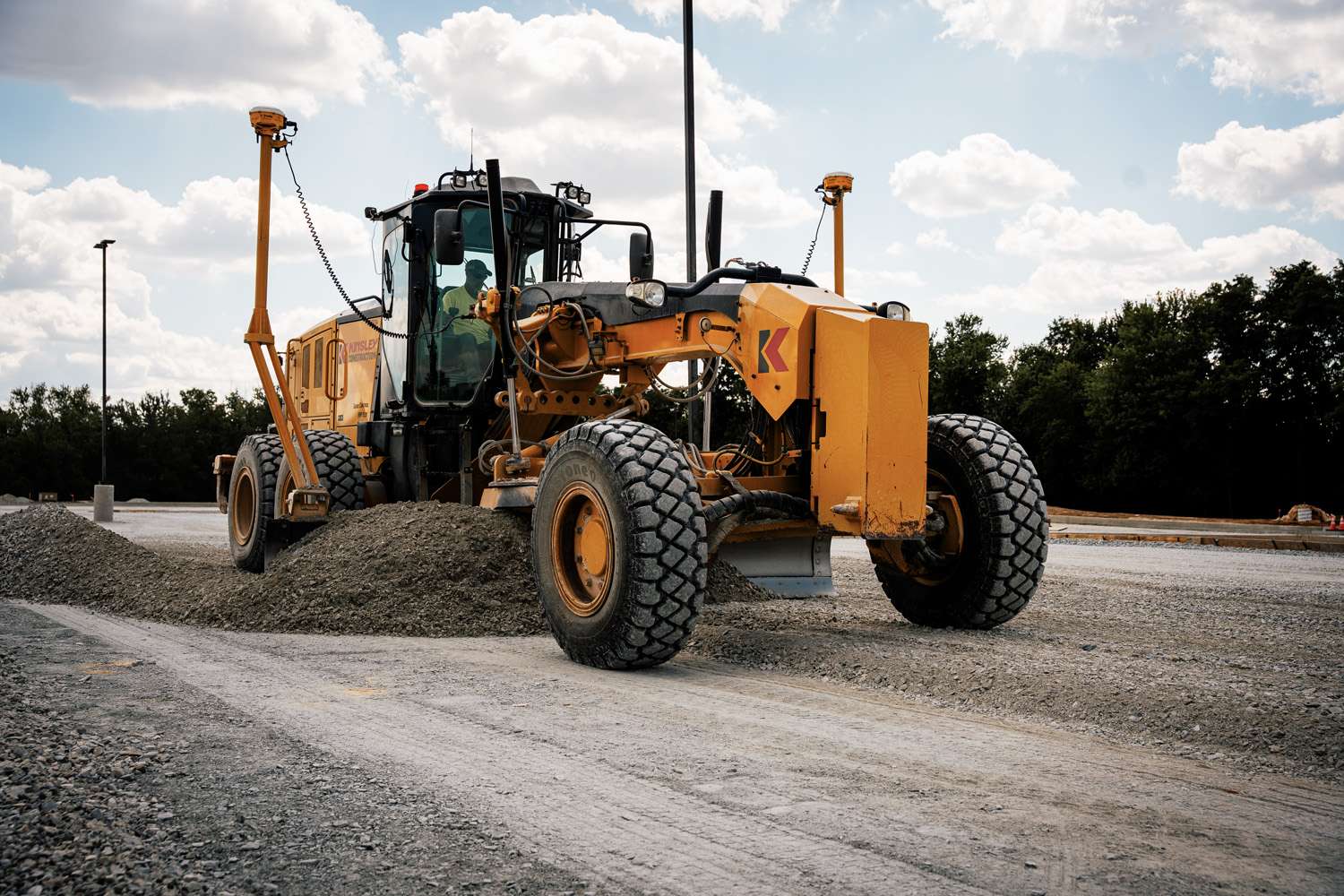
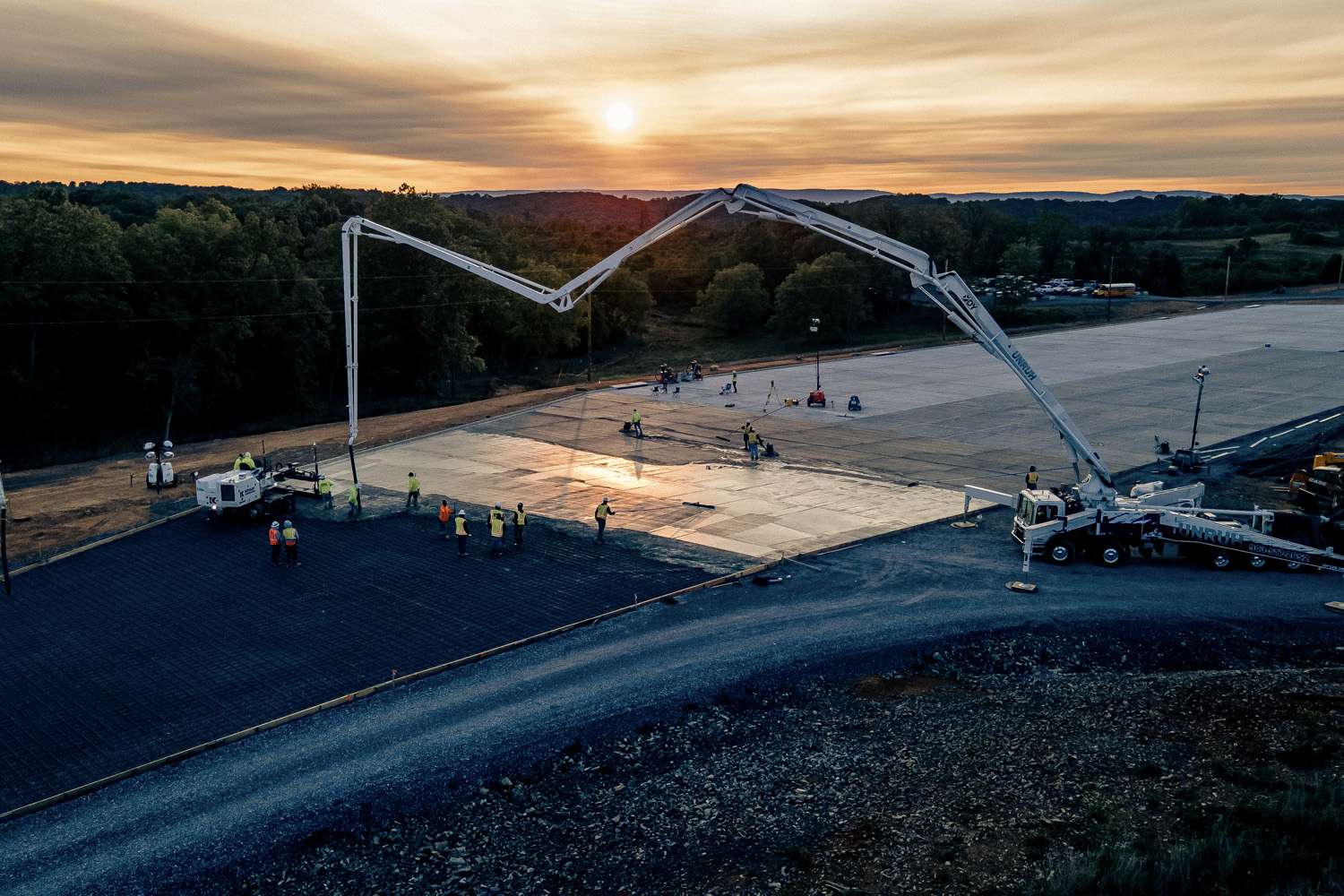
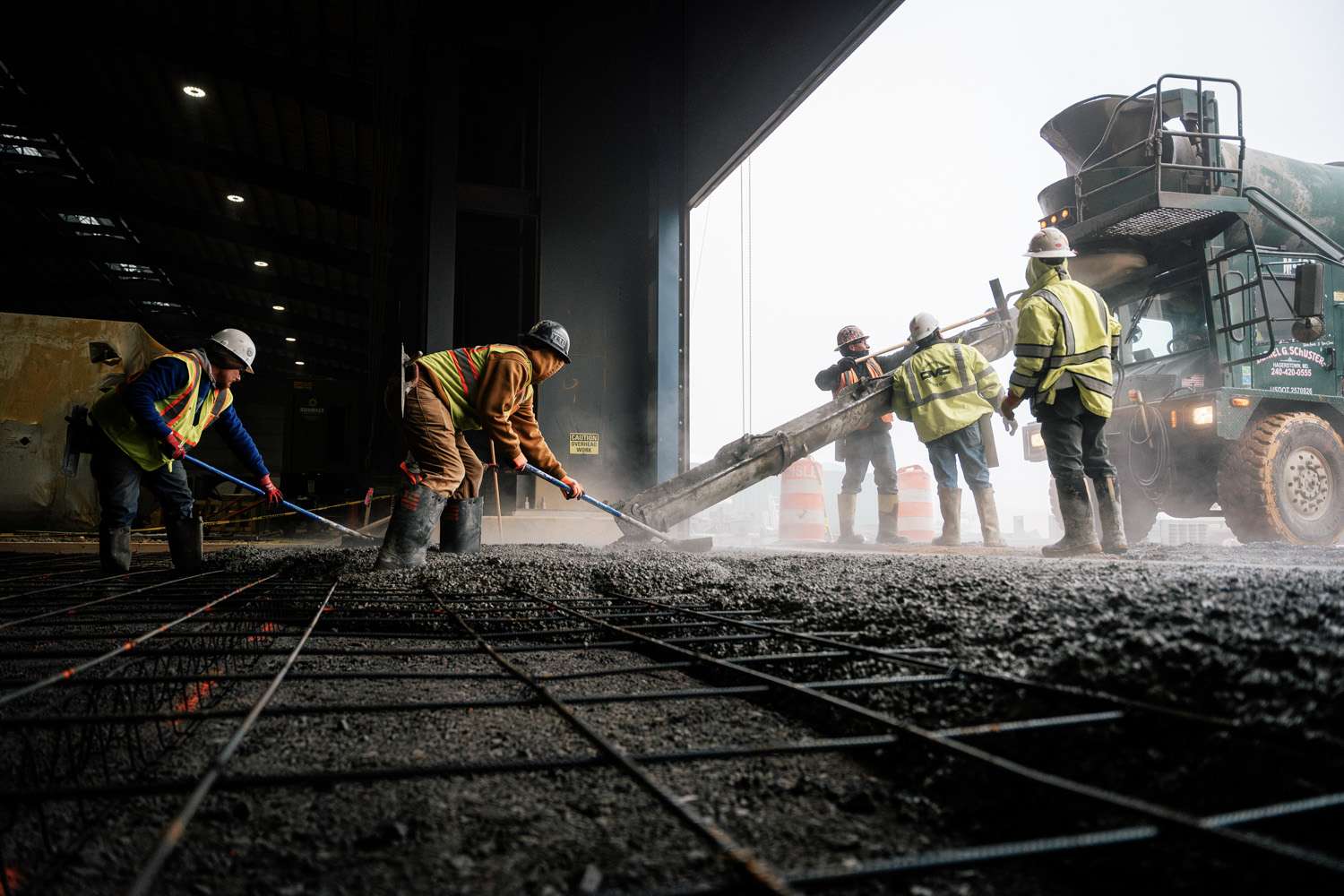
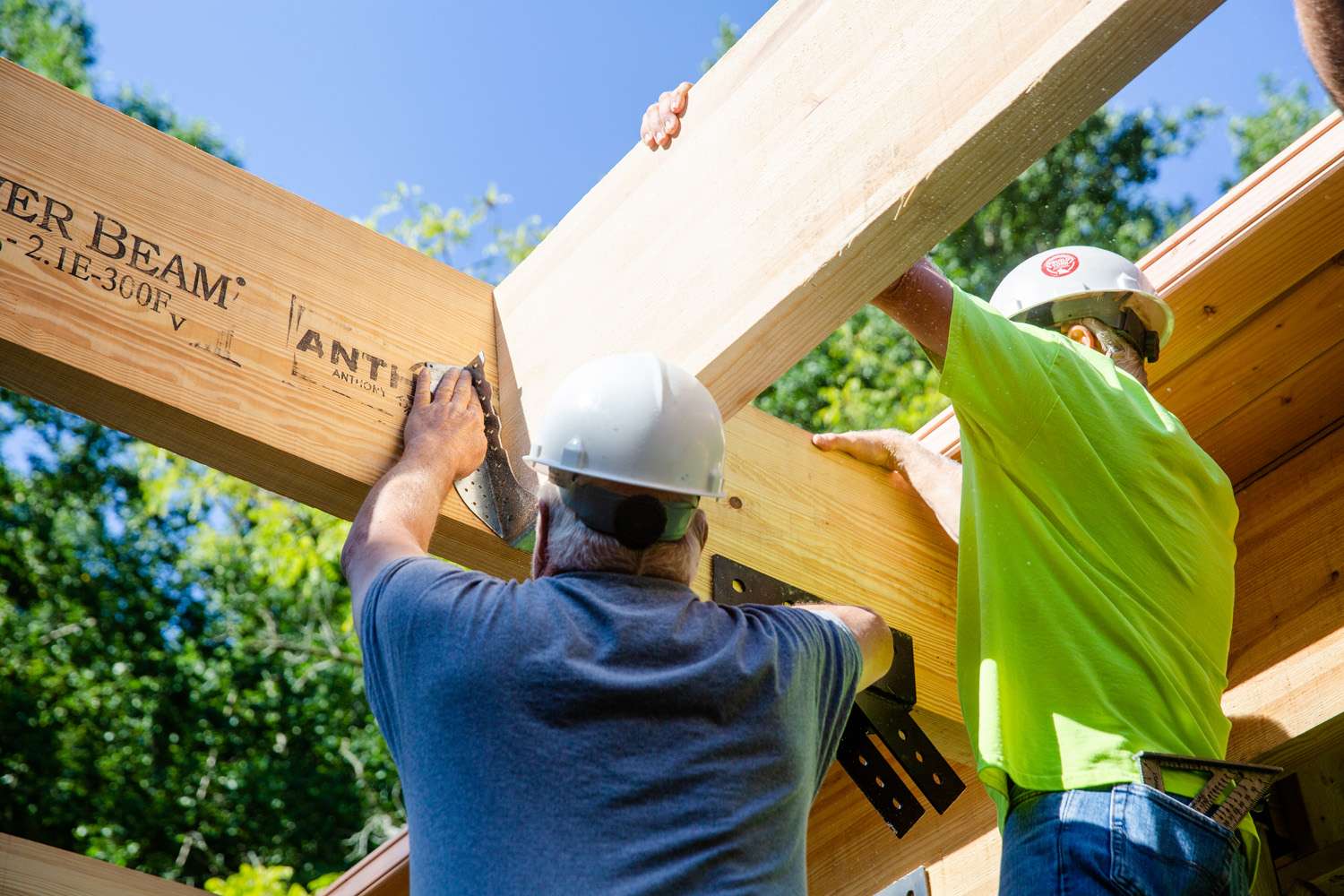
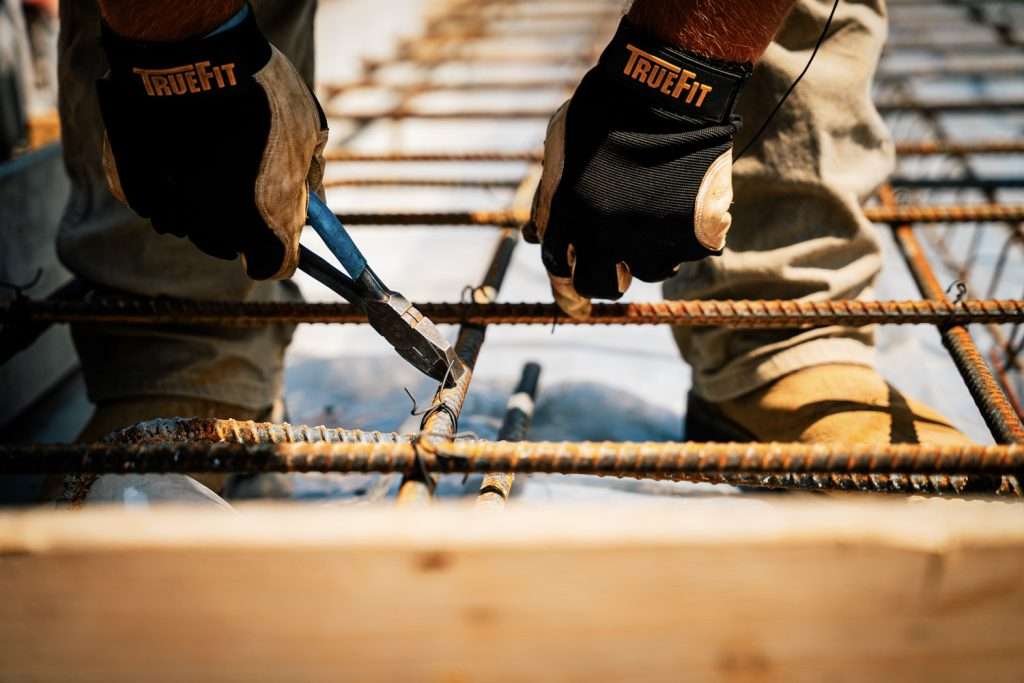
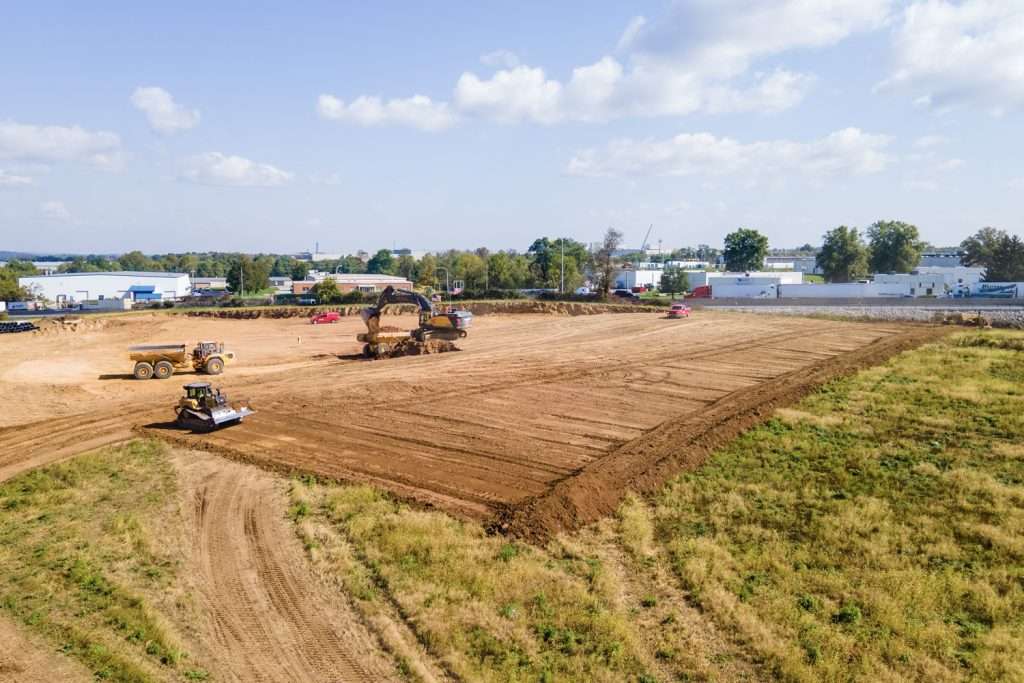
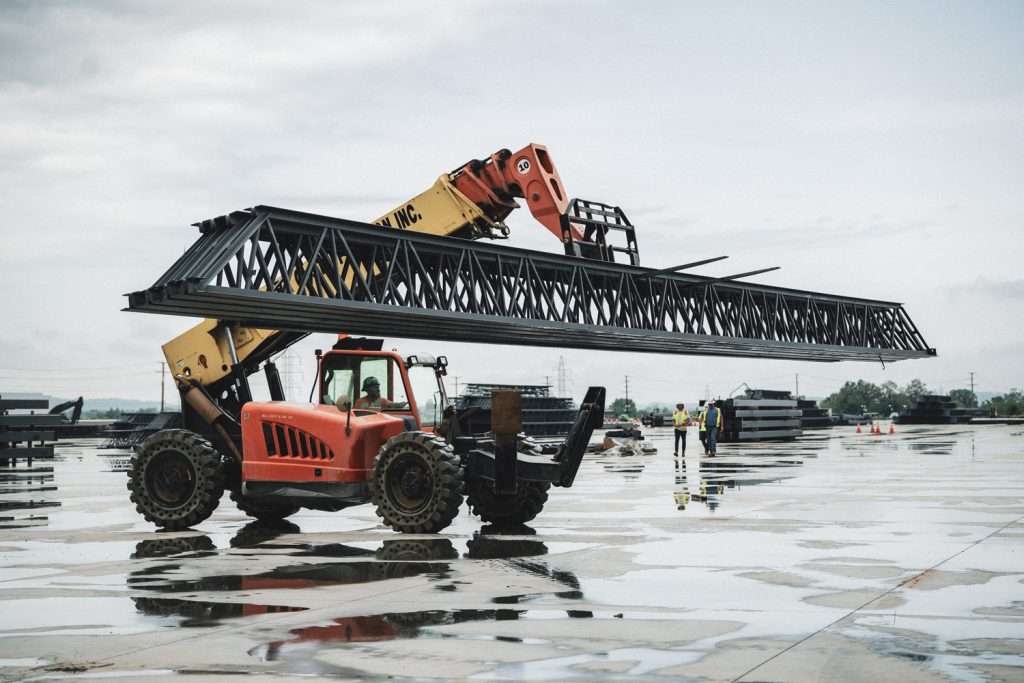
Today, our teams execute work across all of our building, civil and industrial markets throughout the Mid-Atlantic region. We have crews skilled in concrete construction, carpentry, site work, civil infrastructure, environmental construction, landfills, public utilities, structural and custom fabrication, and specialized industrial services like hauling, rigging and setting machinery with crews of millwrights and electricians.
We also operate as a certified construction materials manufacturer, supplying aggregates, concrete and soils—not just for our own jobs, but others across the region as well.
While these teams perform very different scopes of work, they all share the same goal: keeping projects moving and maintaining the Kinsley-level quality our clients rely on.
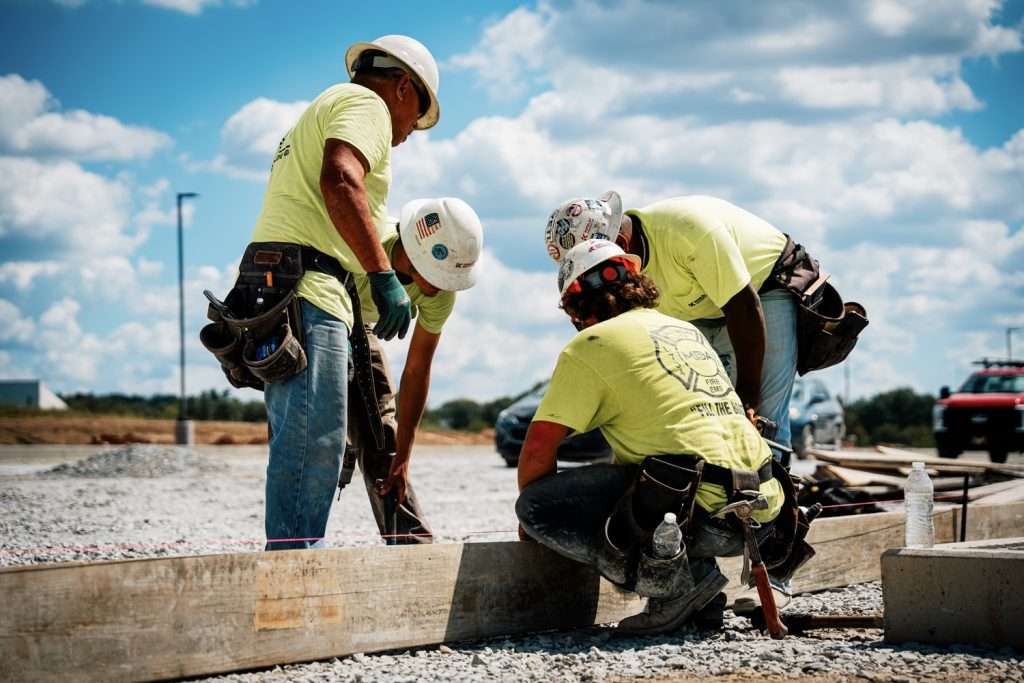
Why Self-Performance Matters
Self-performing work isn’t the easy choice. A lot goes into building teams capable of executing entire scopes of work. But the benefits outweigh the risks for our team and, more importantly, our clients. When we take on the work, we create consistency and control where it matters most. This approach significantly reduces handoffs, allows for faster decision-making and maintains a higher level of accountability throughout the project lifecycle.
Investing in Our People and Safety
Our approach only works because we’ve built the resources to support it.
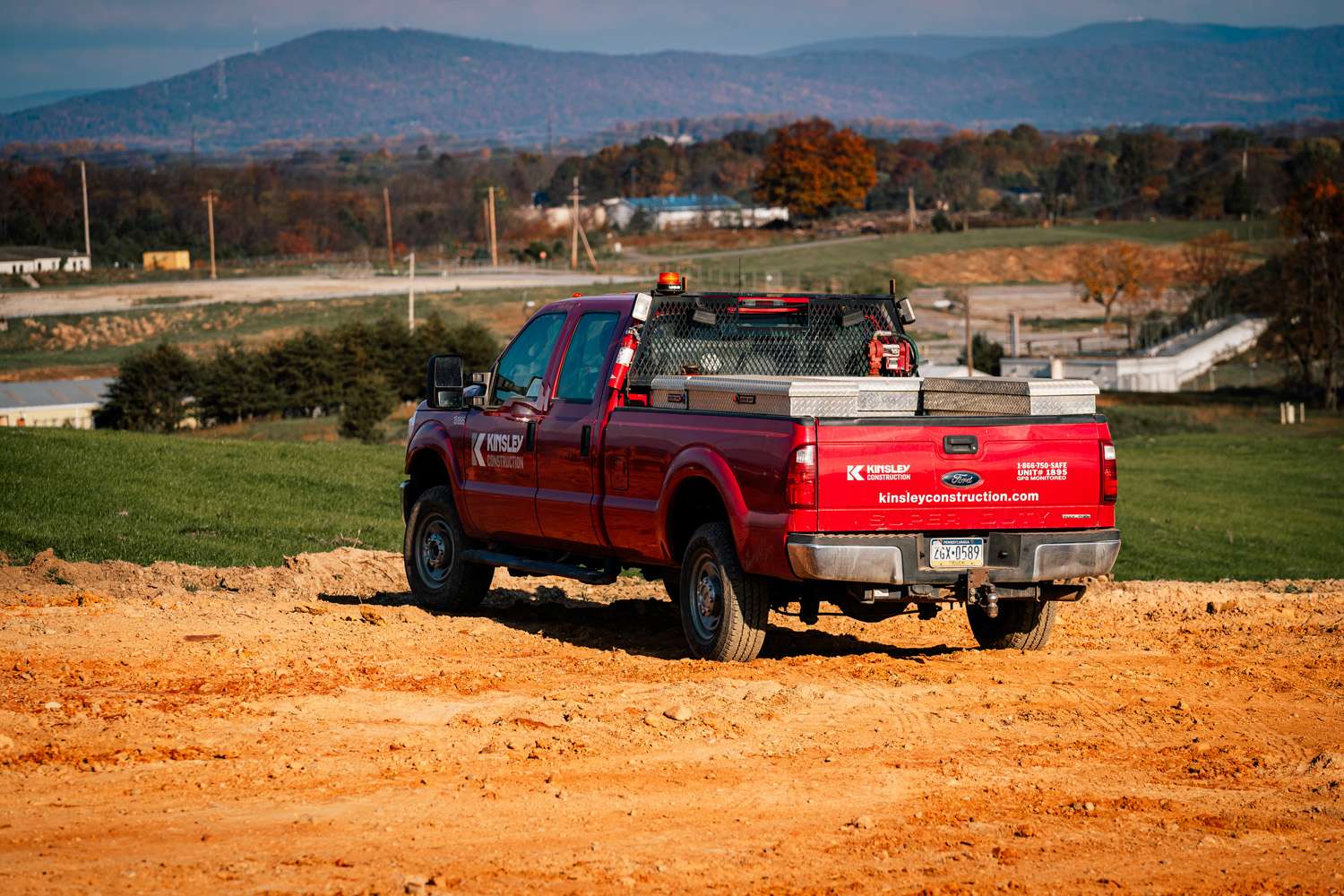
We have close to 1,700 employees across the Mid-Atlantic and an active fleet of nearly 2,000 pieces of equipment that we own and maintain ourselves. That depth allows us to shift manpower and resources where they’re needed, keeping projects moving even when conditions change. For our clients, that means more predictable schedules and fewer disruptions when sequencing or field conditions shift.
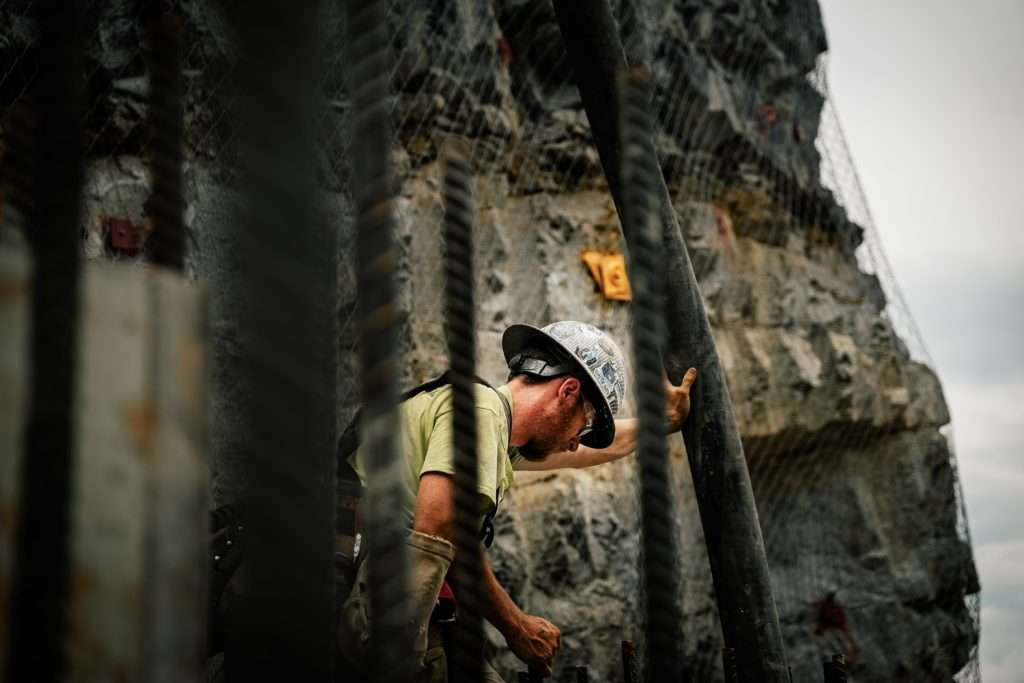
Through our Training and Development Center, we equip employees with the skills they need to perform their work safely while continuing to grow in their careers. This training promotes consistency across crews and helps uphold the level of quality our projects demand. That consistency shows up in the field as tighter execution and less rework, which ultimately helps protect both schedule and cost.
Equally important is our Safety Department, which includes more than 20 dedicated safety professionals. Their presence provides proactive oversight and day-to-day support for our crews, strengthening our ability to self-perform at scale while keeping a consistent focus on getting the work done safely.
Taken together, these resources give our clients a higher level of control across the project lifecycle. With stronger internal coordination and a single point of accountability, we’re able to reduce uncertainty and keep critical path work moving forward.
Partnership Still Plays a Critical Role
All of that said, self-performance is not about doing everything ourselves. It’s about knowing which scopes are critical to control and where the right partners make the work stronger. and delivering spaces that matter to the community, the Dagsboro team has shown that we don’t just build infrastructure, we build the places where community happens.
There is no version of this industry where one company can or should do it all. We rely on our trade partners every day to bring expertise that makes projects better. A job site without strong subcontractors doesn’t function the way it needs to, and we know that.
Our focus is not replacing that value. It comes down to understanding what drives the job forward and what needs a steadier hand in-house. When those key scopes are under our roof, it creates a more stable foundation for everything else and lets our partners do what they do best alongside us in the field.
A More Reliable Way to Build
For clients, this approach means fewer unknowns and more predictable outcomes. For teams in the field, it means clearer communication and a more direct path from start to finish.
As projects continue to grow in complexity, the conversation is not really self-perform versus subcontracting. It is about structure. What approach creates the most reliable execution? What keeps work moving when challenges arise?
For us, the answer has remained consistent: self-perform where it makes sense. Partner where it matters. And stay focused on getting the job done, and done right, every time.
We’re interested in how others are approaching that balance. If you’re combining self-performed and subcontracted scopes, what drives those decisions on your projects? Get in touch with us today!
Explore more of our work and capabilities here: https://kinsleyconstruction.com/capabilities/