

Conewago Creek Pipe Installation
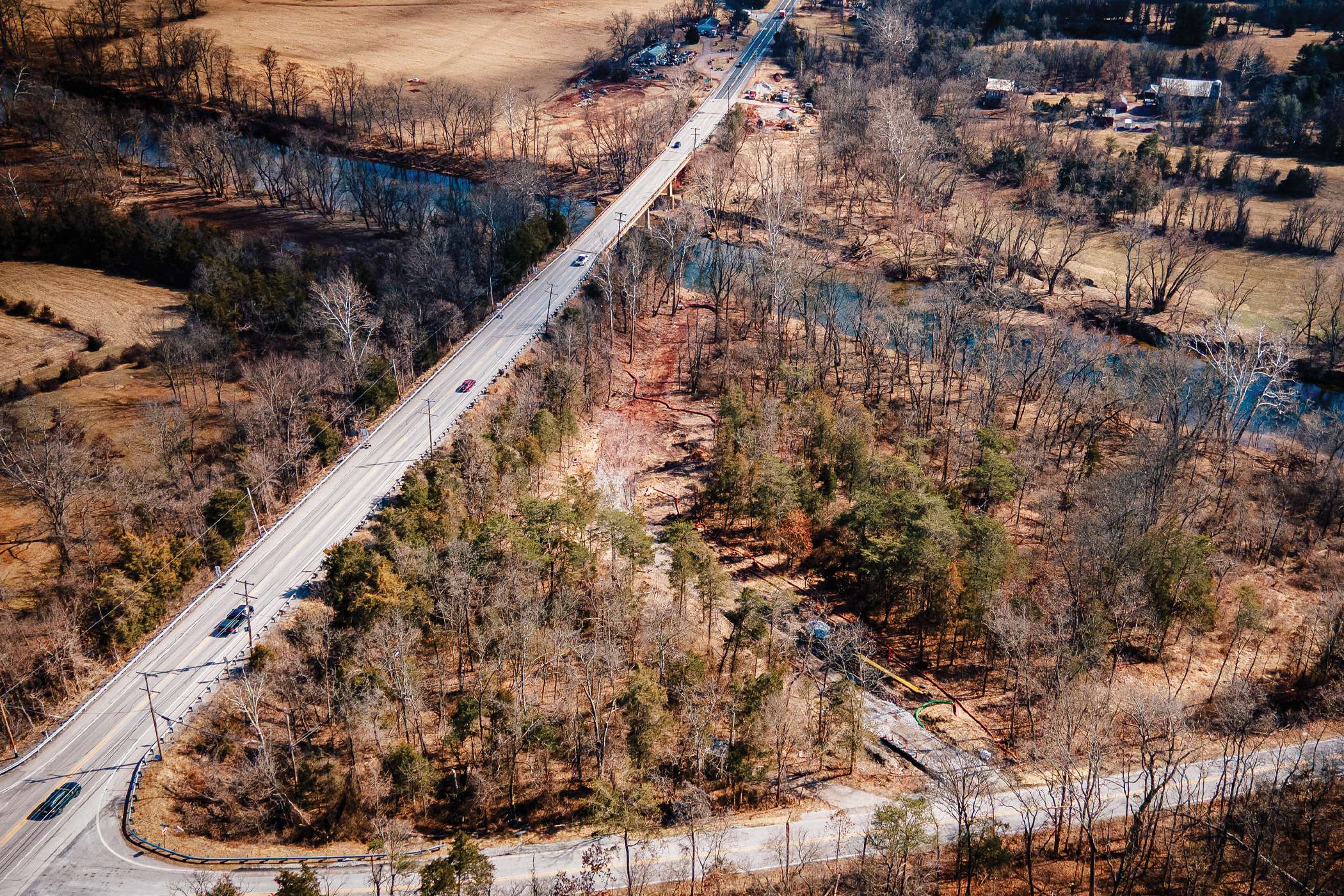
As part of PennDOT’s initiative to replace the aging Conewago Creek bridge along Route 74, our Utilities team installed a new steel gas line to replace the pipe that hung beneath the existing structure. Now complete, this pipeline will provide Dover, Pennsylvania with a safer and more reliable gas supply for years to come.
Laying the Path
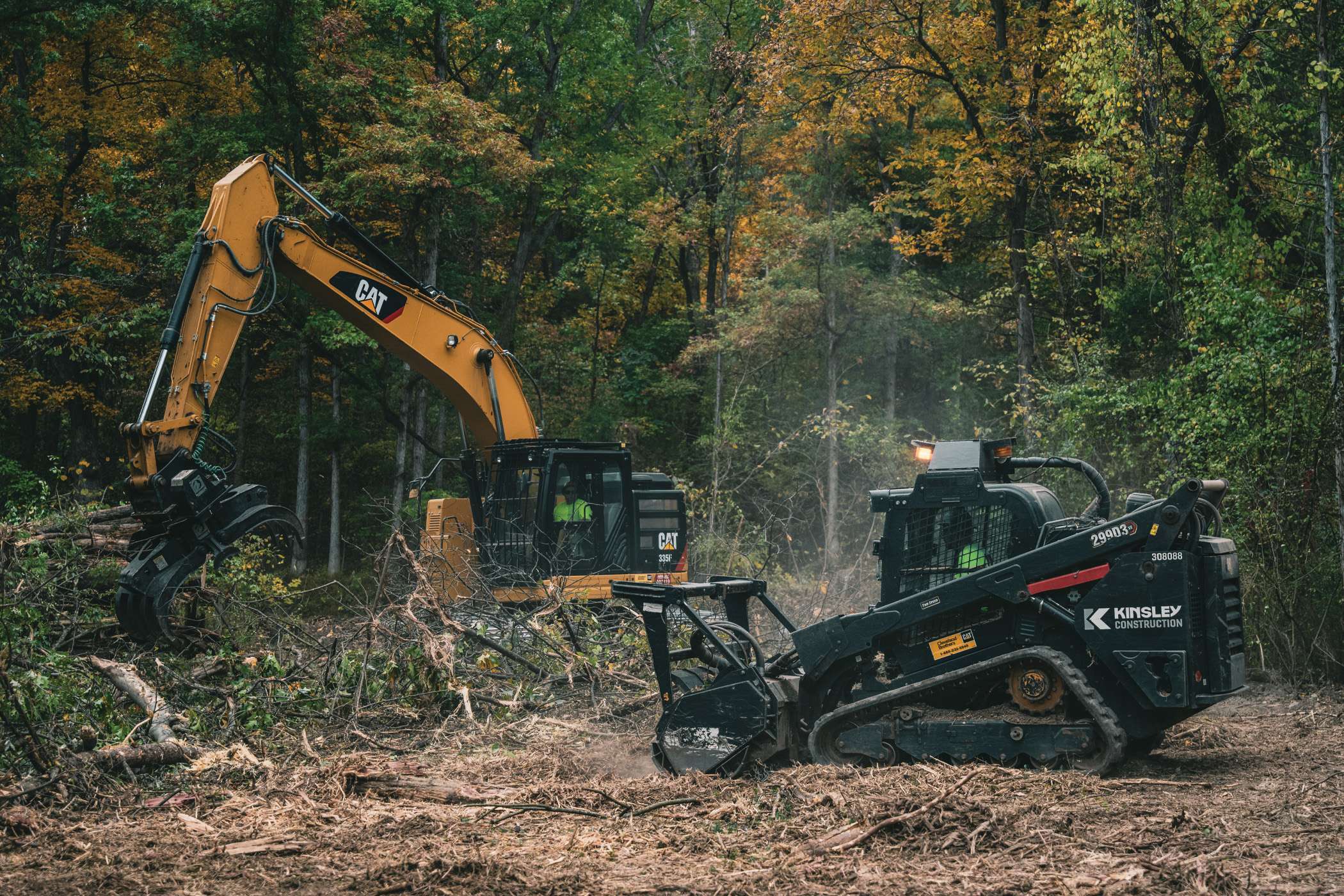
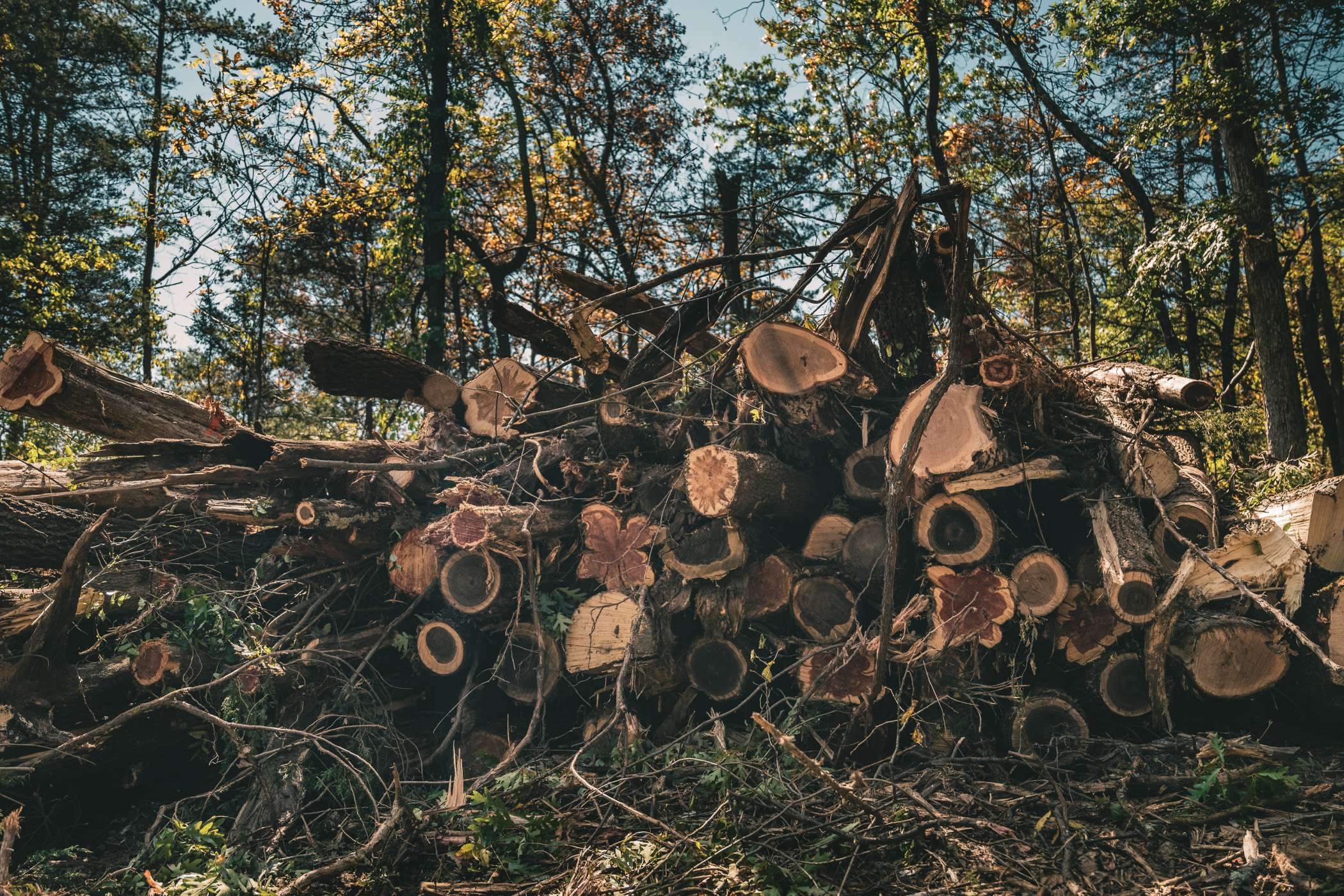
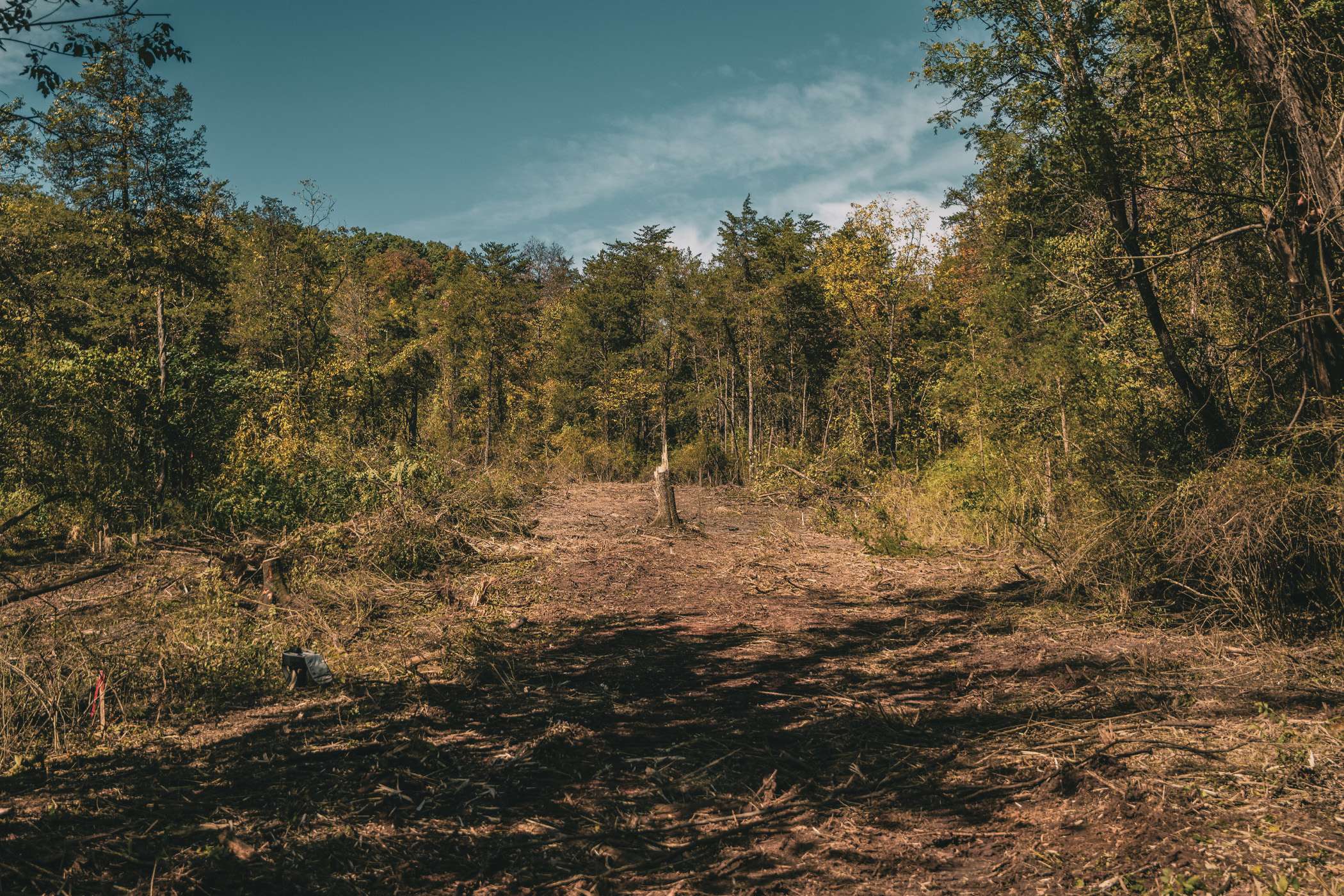
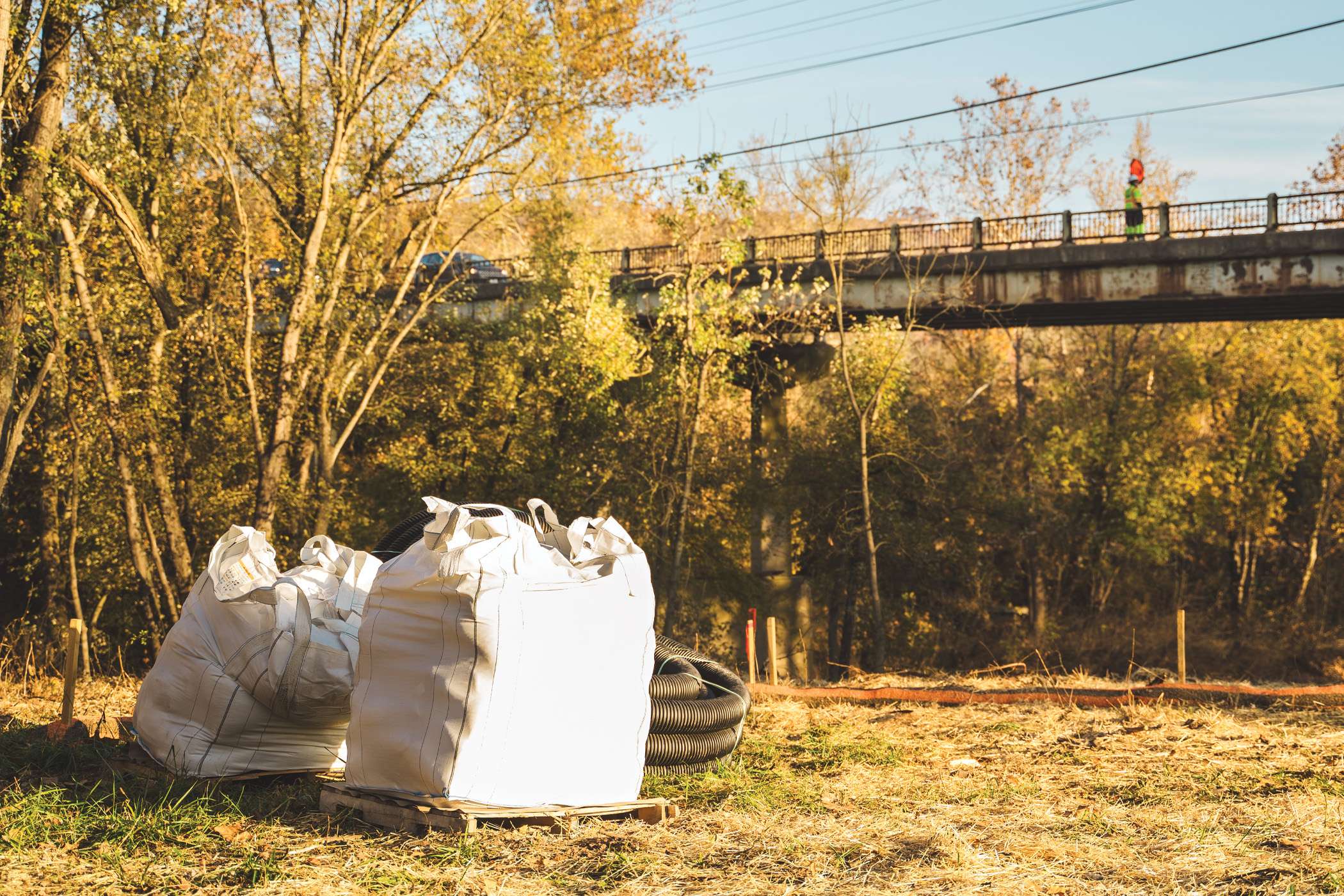
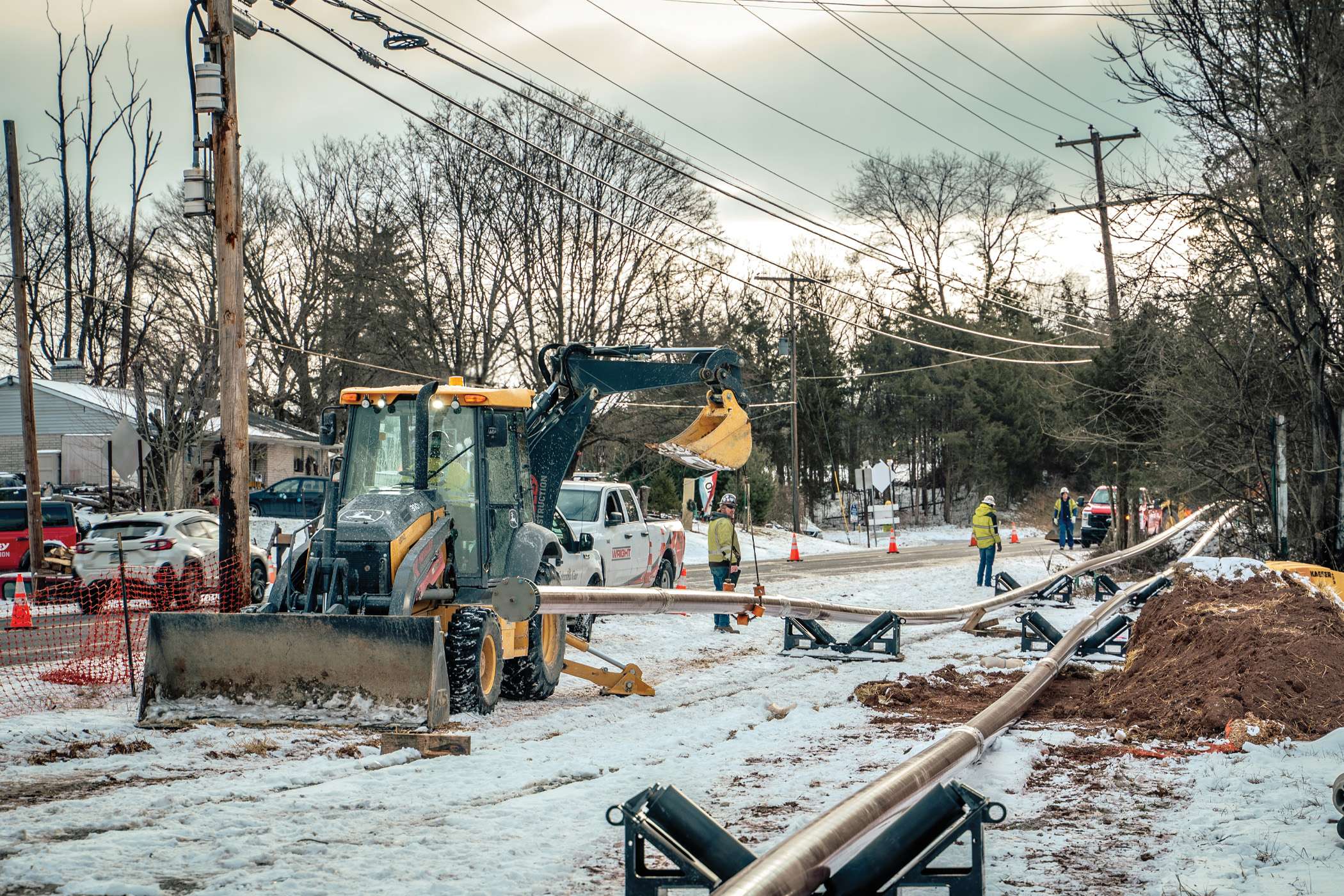
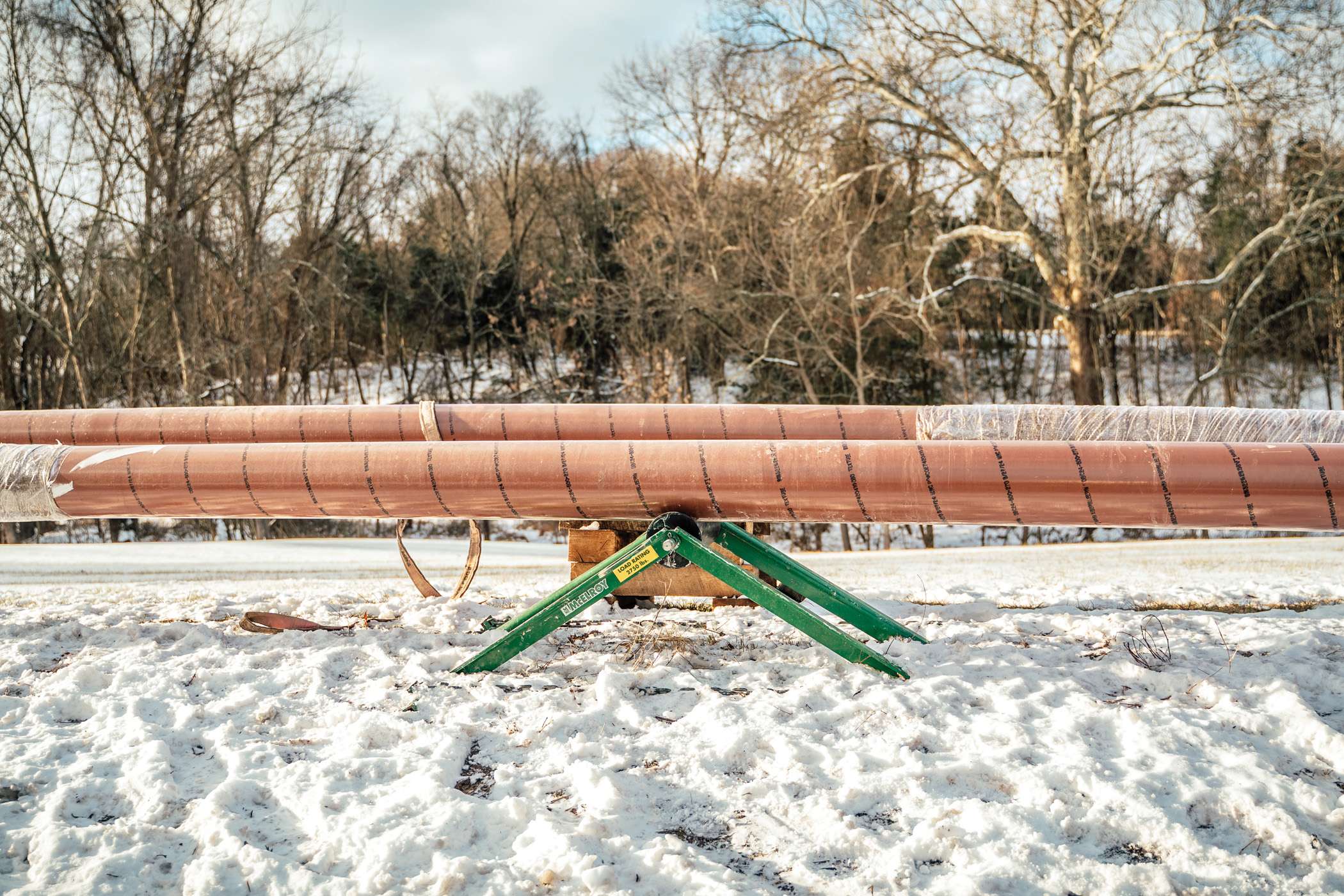
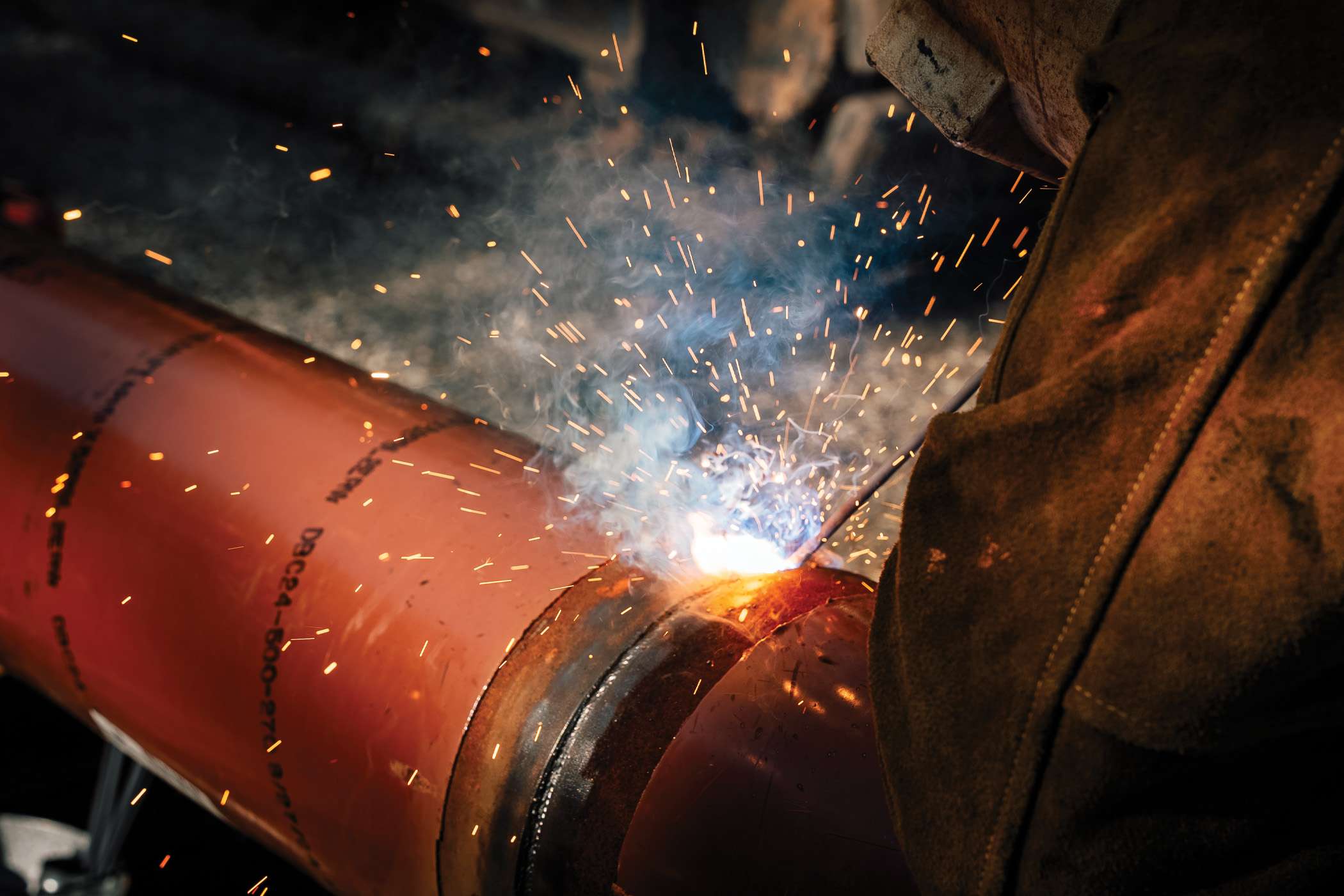
In October 2024, our Site team began preparing the work area by clearing trees and grubbing the land. Once the groundwork was complete, we constructed a temporary access road to facilitate the movement of heavy machinery. Simultaneously, our Utilities crew decommissioned the old pipeline and prepared the new steel pipe for installation. We unloaded and strung the steel segments—each eight inches in diameter and 44 feet long before welding them together.
Innovation that Runs Deep
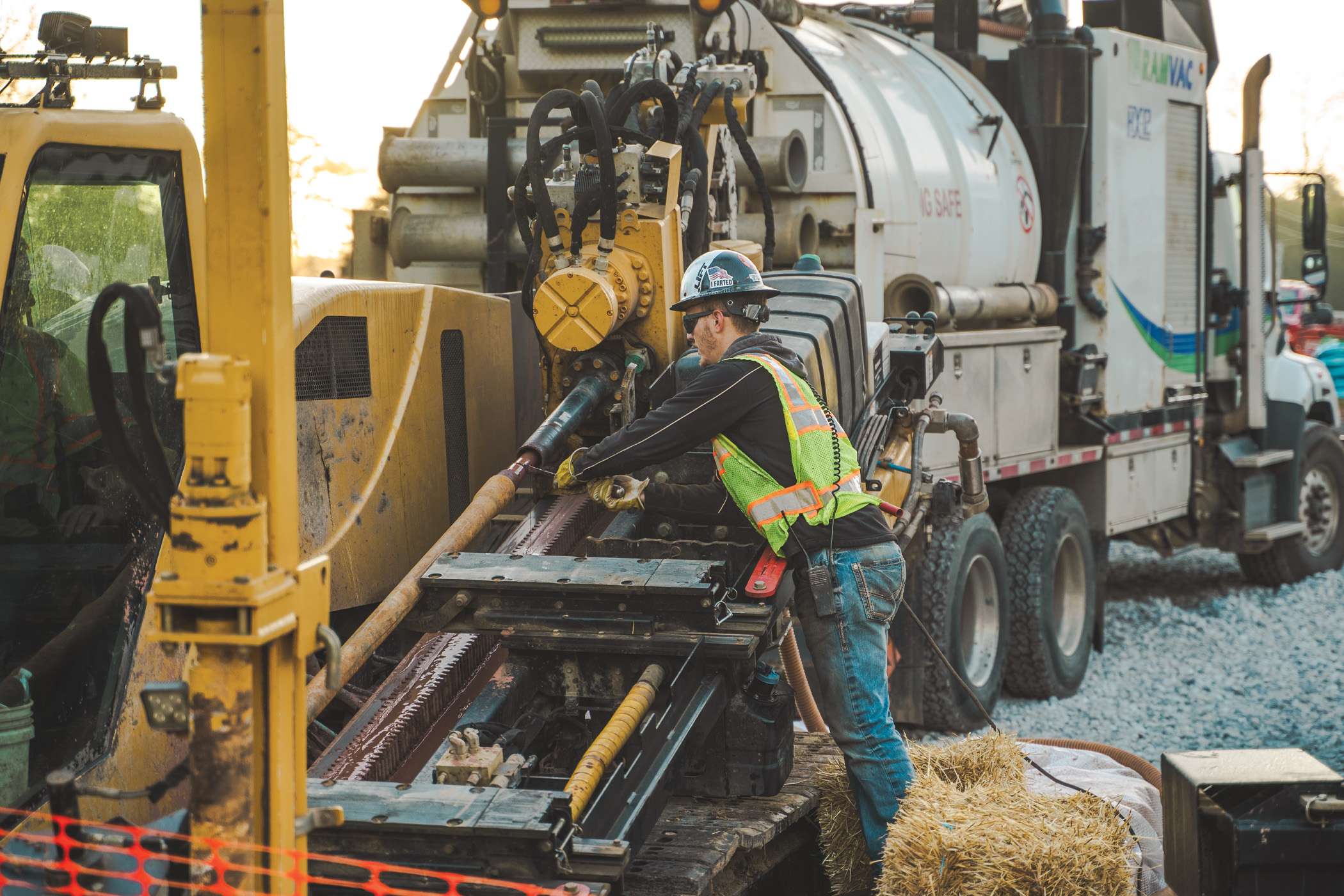
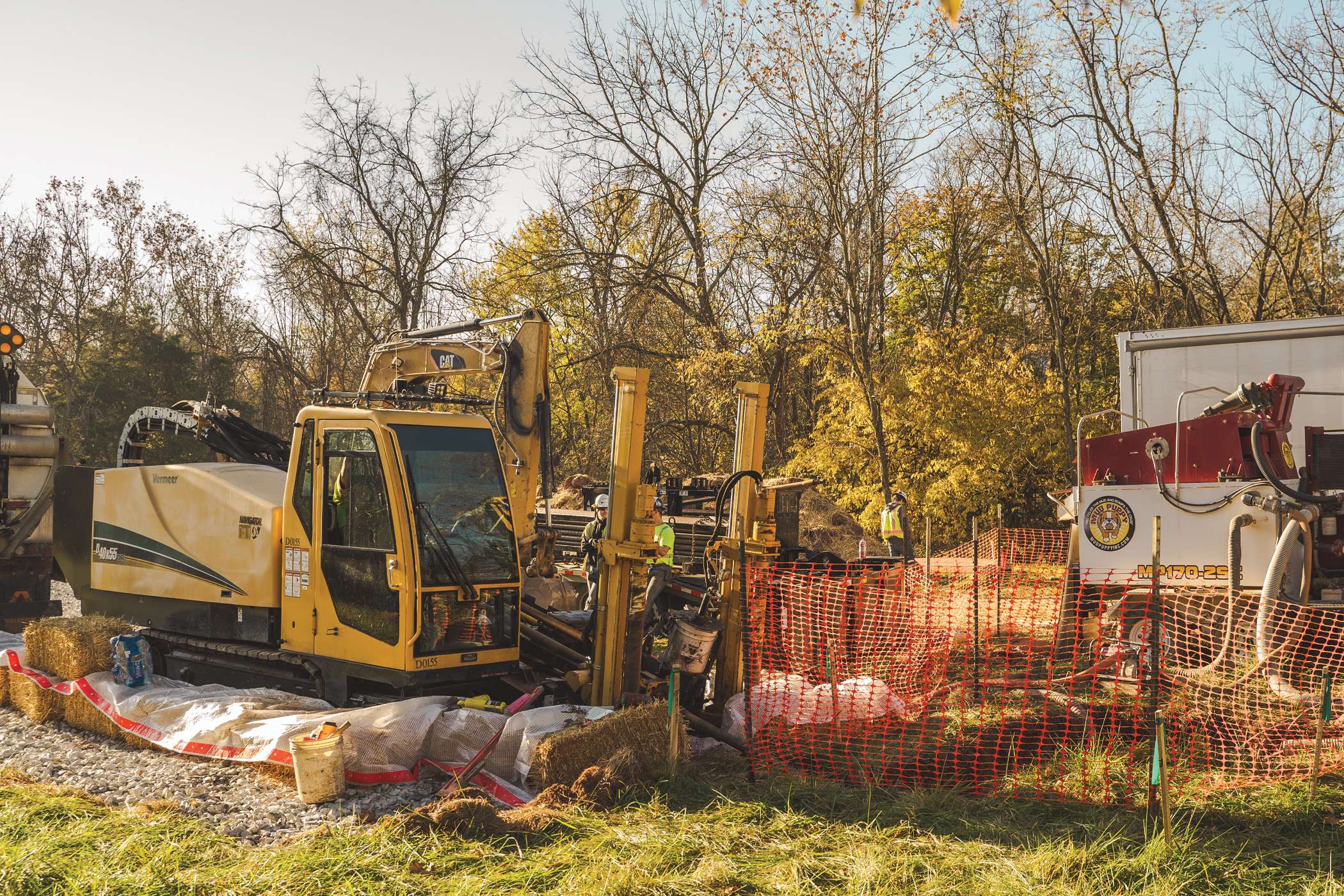
After the Site and Utilities teams completed their initial work, the installation process began. In November 2024, TruTek, a subcontractor specializing in trenchless technology, directional drilled a path beneath Conewago Creek for the new steel pipe. The bore reached a depth of 38 feet, allowing the pipeline to run underground and connect on both sides of the bridge without disturbing the natural landscape.
Directional drilling enables precise drilling along specified paths at varying angles and depths, accessing areas that traditional methods of drilling cannot reach. Previously, utility pipes were installed above ground at bridge crossings, leaving them exposed. For this project, a Vermeer directional drill outfitted with 12-, 14- and 16- inch back ream bits gradually enlarged the drilled hole to accommodate the steel pipe. GPS technology guided the drill head for accurate navigation and seamless installation.
Completing the Installation
After completing the directional drilling, our crew used an open cut installation method for the remaining pipe sections. This method involved excavating a trench along the pipeline’s route, laying a smooth bedding material at the trench bottom and carefully placing the pipe sections. The sections were connected and aligned before backfilling the trench with additional protective material to secure the pipe and prevent damage.
Taking on the Challenge
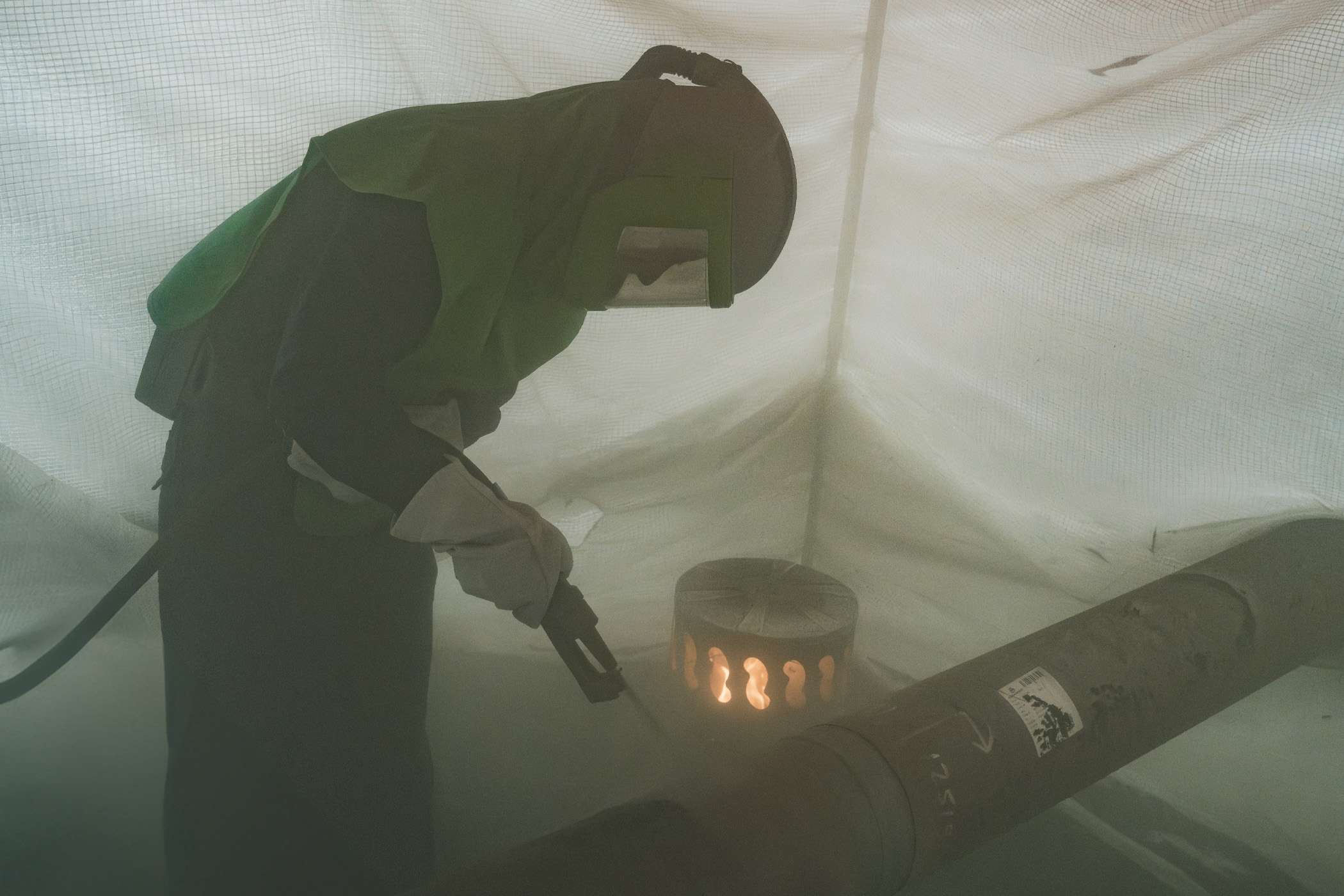
One of the most complex aspects of this project was the deep drilling that needed to occur beneath the creek. This phase required an understanding of environmental factors and the technical challenges of trenching at such depths. Additionally, installing steel pipe is especially demanding due to the precise welding and coating processes needed to ensure pipeline integrity.
Despite these challenges, the team’s expertise, dedication and efficiency were key to the project’s success. Their hard work and collaboration not only ensured a smooth execution but also contributed to a lasting positive impact on the community.
The crew was highly efficient, well-organized and fully understood what it took to get the job done and done right.
Brett Martin,
Utilities General Manager